
Best Time to Visit Japan in 2027 for Autumn Leaves, Spring Blooms, & Snowy Adventure

Very few places in the world are travel-worthy all year round, and Japan is one of them. Be it spring, summer, autumn, or winter, Japan is ready with something culturally unique or naturally charming to captivate the minds of the travelers. You would be delighted to learn that in general, Japan is the 9th most-visited country in the world, and almost 36-42 million international tourists congregate here annually. However, in 2027, Japan became the number 1 global travel destination.
So, if you are planning to visit this aesthetic Asian country, you should know the best time to visit Japan. There are two best times – March to May and October to November. Spring and autumn are the best seasons to visit Japan for their insane natural beauty.
Summer and winters are equally excellent for a visit to Japan. Whether you want a romantic trip or an adventure holiday or a cultural tour, Japan is always ready to welcome you. Read this blog for more details on the best time to visit Japan depending on your interests, budget, and seasons.
When is the Best Time to Visit Japan?
The best time to visit Japan is dependent on what you want to experience there because each season comes with something new. For example, there are outdoor festivals in summer and golden foliage in autumn.
To help you with your Japan tour plan, here is a quick guide
|
Traveler Type |
Best Time to Visit Japan |
|
First-timers |
March to May & October to November |
|
Cherry Blossom Lovers |
Late March to Early April |
|
Autumn Foliage Lovers |
October to November |
|
Honeymoon Couples |
March to May & October to November |
|
Families |
April to June & September to November |
|
Festival Lovers |
July to August |
|
Nature Adventure |
May to October |
|
Ski & Snowboarding |
December to February |
|
Beach Lovers |
June to August |
|
Budget Travelers |
January to February and June |
Japan Seasons Explained
As the climate of Japan falls in a temperate zone with humid subtropical characteristics, it experiences four distinct seasons—summer, winter, spring, and autumn. Each of these four seasons shows a distinct natural beauty in Japan. Thus, the best time to visit Japan would heavily depend on which season you want to experience. To make your job easier, we have discussed the seasons of Japan in detail.
Spring Season – March to May
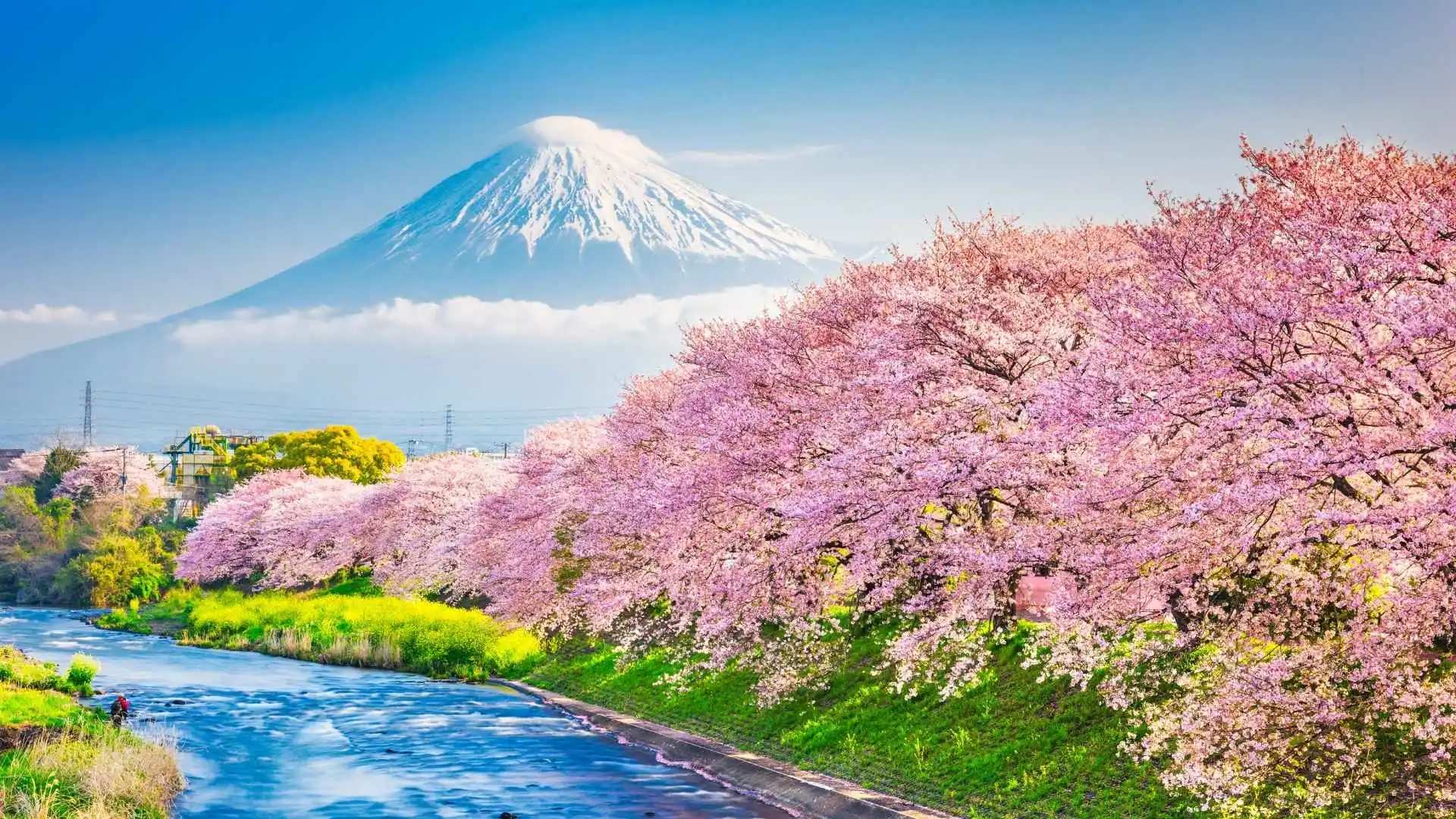
Spring is widely regarded as the best season to visit Japan for the mind-blowing cherry blossoms. As the winter chill fades, parts of this country start showing signs of spring with cherry blossoms. The weather becomes pleasant, and everywhere from gardens, parks, streets, and riversides glows white and pink. Spring is the perfect time for relaxing outdoors, going for sightseeing, and experiencing the culture of Japan.
Key Highlights of Spring in Japan
- The general temperature all over the country ranges between 10 °C and 23 °C.
- In northern Japan, March is still chilly, and it takes until May to become slightly warmer.
- Rainfall is moderate, and thus skies mostly remain clear, making sightseeing easier and more comfortable.
- The Sakura, or the cherry blossom season, begins, which is a crowd-puller.
- Cherry blossoms are visible all over the country but bloom at different times. In southern and central Japan, cherry blossoms arrive in late March, while for the northern region, the time is late April or early May.
- Many locals come out and have a family picnic under these Sakura trees.
- The maximum footfall of international tourists in Japan is found during this cherry blossom time.
- The most popular places to visit in Japan for the spring season are Tokyo, Osaka, Kyoto, Nara, Mount Fuji, and Hirosaki.
Pros
- Not hot, not cold—spring brings the perfect weather conditions for sightseeing.
- Breathtaking natural scenery of cherry blossom flowers gives multiple picturesque moments to capture.
- It’s the best time for photographers.
- There are multiple festivals and cultural events held across the country.
- The gardens, parks, and historic sites all are at their colorful best.
Cons
- Spring is the busiest Japan tourist season, and thus, there will be overcrowded places.
- The resorts and hotels in Japan charge higher rates during the spring season as tourists from across the world come to see the cherry blossoms.
- Peak tourist season also means higher airfares.
Summer Season – June to August
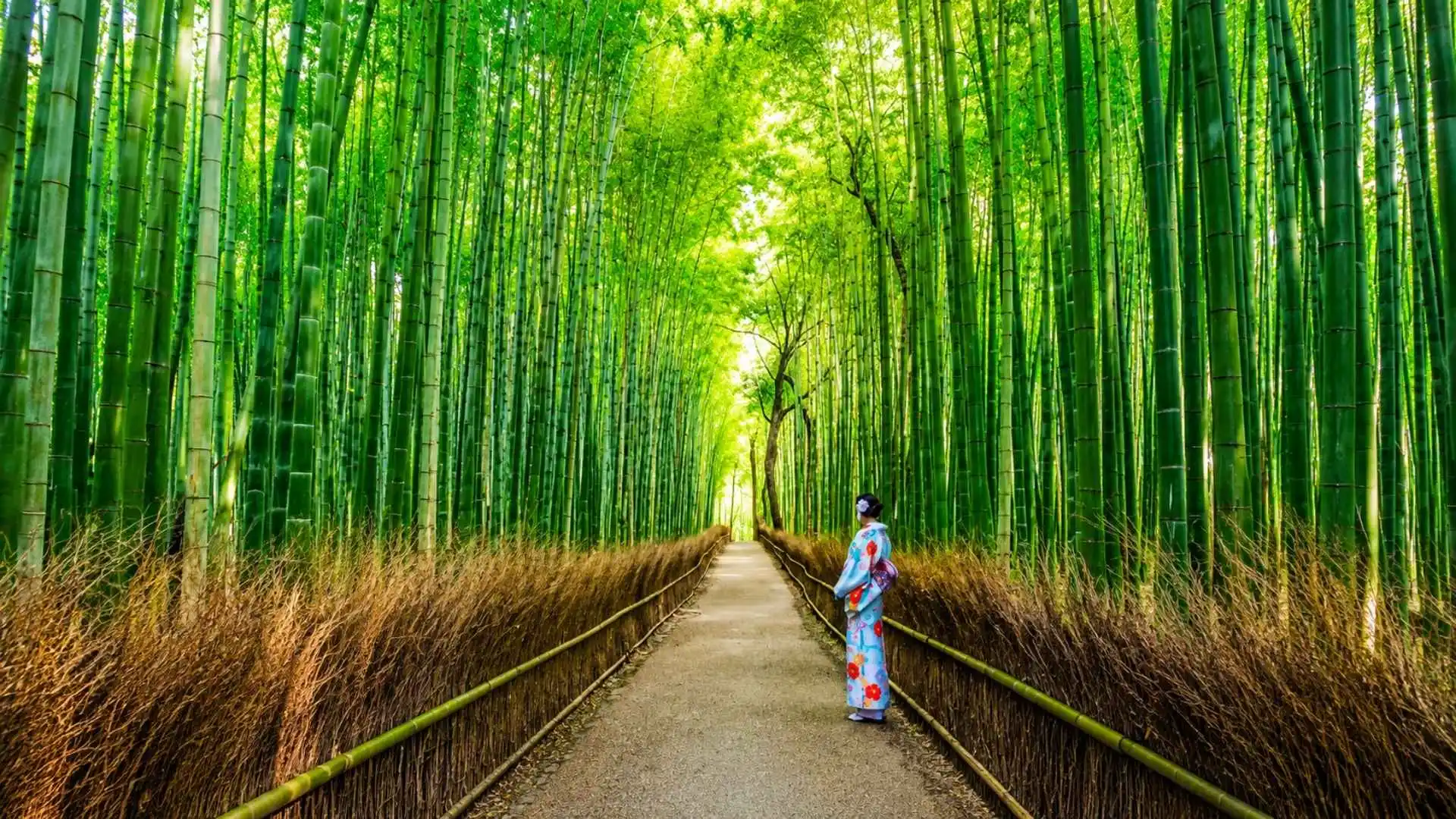
Summer in Japan brings warm temperatures, sunny days, festive vibes, and outdoor adventures. The temperatures are high alongside humidity, but travelers are able to see scenic beauty and witness cultural events. From beach holidays to attending the traditional matsuri festival, there are many things to do in Japan during the summer.
Key Highlights of Summer in Japan
- The general temperature ranges between 20 °C and 35 °C.
- In June, there’s frequent rainfall with temperatures ranging between 20°C and 28°C, while in July, the rainfall ends, giving way to more sunshine and temperature ranges between 25°C and 33°C. In August, you will find temperatures exceeding 35°C, although the mountains offer cooler weather.
- Matsuri is a major highlight when the whole country comes alive with colorful parades, food stalls, cultural performances, etc.
- A wonderful firework display festival also attracts tourists during this time.
- Mount Fuji and the Japanese Alps become more accessible and famous as trekking and hiking sites in the summer.
- Beach destinations like Okinawa look tempting as a tropical paradise with snorkeling experiences.
- Music festivals and river cruises also gain popularity during this time.
Pros
- Summer is the most comfortable time for beach holidays and adventure activities.
- Longer day hours allow more time for sightseeing.
- Various cultural festivals keep the atmosphere vibrant.
Cons
- High temperature and humidity can be unbearable for some people.
- Popular travel destinations can become crowded during school vacations.
- Occasional typhoons may disrupt travel plans slightly.
Autumn Season in Japan – September to November
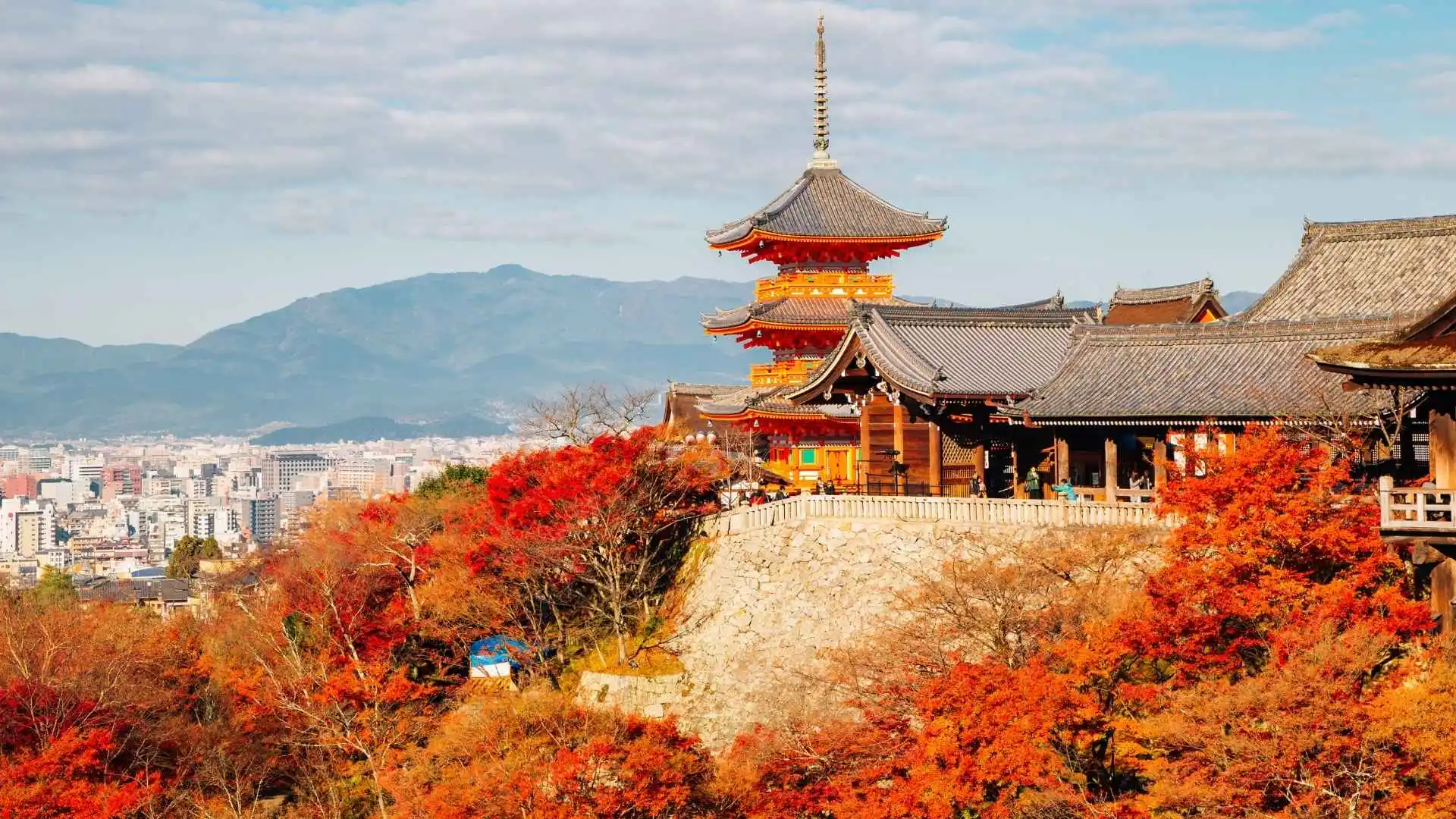
One of the most breathtaking views of Japan is noticed during autumn when the leaves fall off the trees, transforming the country into a glowing picture of yellow, orange, and red. All the stunning foliage teaches that endings are beautiful and we should accept that so that a new season can begin. Pleasant weather, bearable temperatures, and clear skies make outdoor activities and sightseeing comfortable, making autumn the best time to visit Japan from India. Drawing a clear contrast to the spring cherry blossom, autumn also brings lots of visitors in Japan.
Key Highlights of Autumn in Japan
- The general temperature ranges between 20°C and 30°C in September and 10°C and 18°C in November.
- Humidity decreases, and thus tourists can roam around for sightseeing and adventure activities without any inconvenience.
- October and November are dry and sunny, making them the two best months to visit Japan.
- The crisp air makes city tours, cultural exploration, and hiking easy, making this one of the best times to visit Japan.
- The first color of autumn is noticed in Hokkaido by late September, and by November it gradually moves south.
- The best autumn foliage scenery is noticed in Kyoto, Hakone, Nara, Nikko, and the Japanese Alps.
- Crimson, amber, and red paint the parks, gardens, and temple premises picture-perfect.
Pros
- Take scenic train journeys crossing the country coated in various shades of yellow, orange, and red.
- Comfortable temperatures and low humidity.
- Excellent time for city tours and photography.
- Seasonal special foods like chestnuts, Matsutake mushrooms, and sweet potatoes are available.
Cons
- Popular foliage places like Kyoto may get overcrowded.
- Autumn is one of the best times to visit Japan, and thus airfares and hotel rates may rise.
- September has chances of occasional typhoons disrupting your outdoor plans.
Winter Season in Japan – December to February
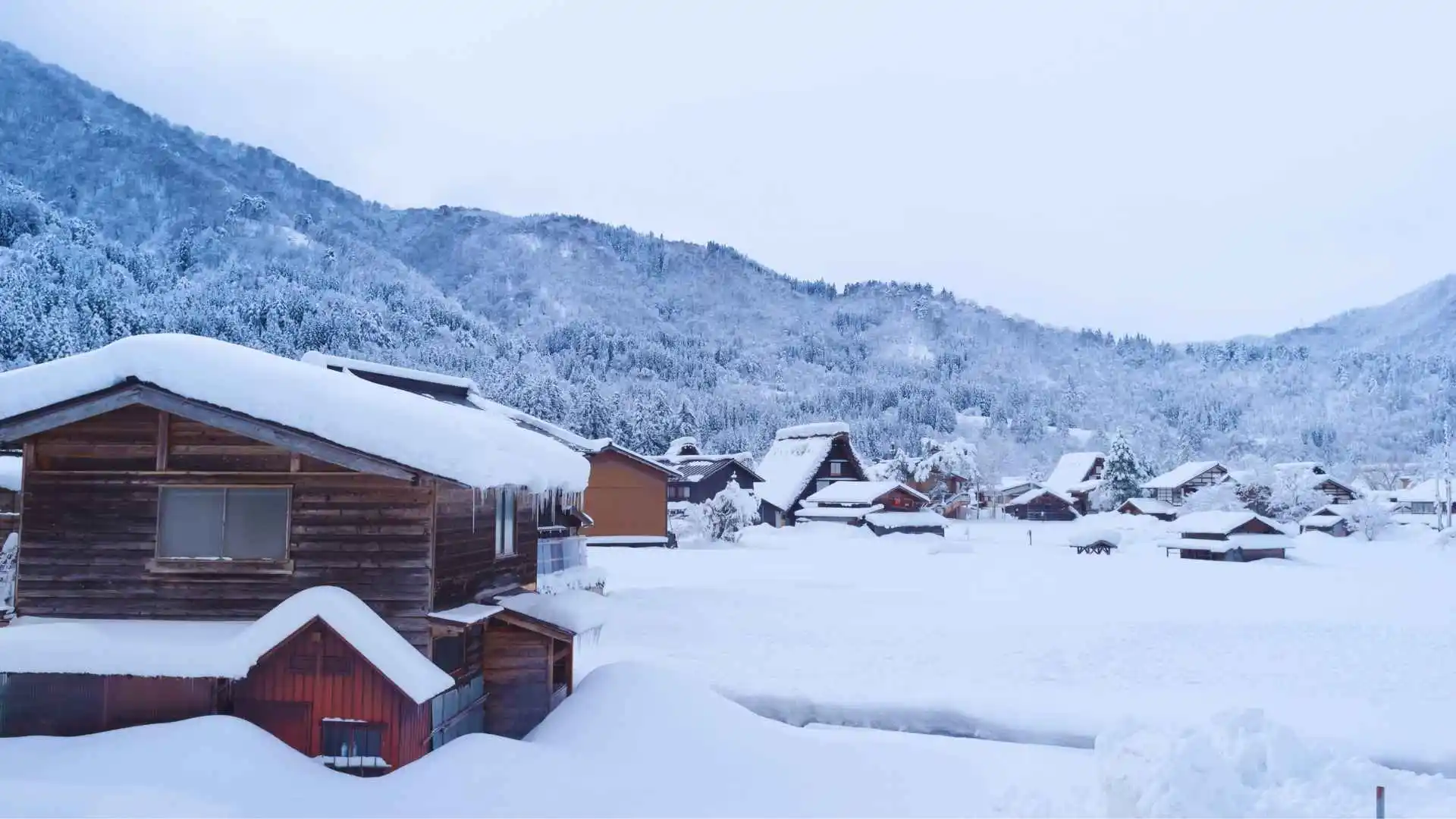
Japan turns into a white and dreamy wonderland in the winter season. There are fresh snow covers in many parts of the country, dazzling lights announcing a festive season, snow adventure opportunities, and steaming hot springs—making winter one of the best times to visit Japan. Due to the extreme cold, the number of tourists is few, and thus slow travelers will find this time the best for traveling.
Key Highlights of Winter in Japan
- The winter temperature remains between -5°C and 10°C.
- Hokkaido and the Japanese Alps receive heavy snowfall, while central cities like Tokyo, Kyoto, and Osaka remain between 2°C and 10°C.
- There are many world-renowned ski resorts in Japan in places like Niseko and Hakuba that attract tourists from across the world.
- Sapporo Snow Festival is held in February, where you can witness massive ice sculptures and snow art installations.
- The traditional hot springs, also known as onsen, are very popular in the winter season.
- Bright LED lights illuminate the streets of Osaka, Tokyo, and Kobe.
Pros
- Winter is the best time to visit Japan for excellent snow adventures like skiing and snowboarding.
- Snow-covered landscapes offer plenty of picturesque moments.
- There are fewer tourists at famous places to visit in Japan, letting you travel without any rush.
- It’s the best time for Japanese hot springs and winter special seasonal food.
Cons
- Extremely cold temperatures in the northern part of the country may not be bearable for every tourist.
- Shorter daylight means limited time for sightseeing.
- During New Year holidays, the popular ski resorts often charge exorbitantly.
- Snowfall may delay transport in some areas.
Japan Weather by Month
The general climate of Japan is subtropical, which means there are distinct seasons with temperature variations. Japan is an all-year-round travel destination, but the best time to visit Japan is always the spring (March to May) and autumn season (September to November). We have prepared a table of Japan`s weather by month for a better understanding of the temperature variations so that you can plan your Japan itinerary well.
|
Month |
Temperature |
Humidity |
Weather Features |
Crowd Level |
|
January |
1 °C – 10 °C |
55-65% |
Cold weather, snow somewhere, clear skies in many cities |
Moderate |
|
February |
2 °C – 11 °C |
55-65% |
Snow remains and winter adventure activities start |
Moderate |
|
March |
5 °C – 15 °C |
60-70% |
Flowers bloom and sightseeing tours |
High |
|
April |
10 °C – 20 °C |
60-70% |
Mild temperatures and peak cherry blossom time |
Very High |
|
May |
15 °C – 24 °C |
65-75% |
Sunny days, comfortable weather, suitable for outdoor activities |
High |
|
June |
19 °C – 28 °C |
75-85% |
Rainfall starts |
Moderate |
|
July |
23 °C – 33 °C |
75-85% |
Rainy season ends and bright sunny days arrive with festivals |
High |
|
August |
25 °C – 35 °C |
70-80% |
Fireworks festivals, beach holidays, and trekking |
High |
|
September |
20 °C – 30 °C |
70-80% |
Autumn starts to arrive and occasional typhoons |
Moderate |
|
October |
14 °C – 24 °C |
65-75% |
Pleasant weather and autumn scenes |
High |
|
November |
8 °C – 18 °C |
60-70% |
Peak autumn foliage and good weather |
High |
|
December |
3 °C – 12 °C |
55-65% |
Winter begins and festive vibes |
Moderate |
Best Time to Visit Japan – By Region
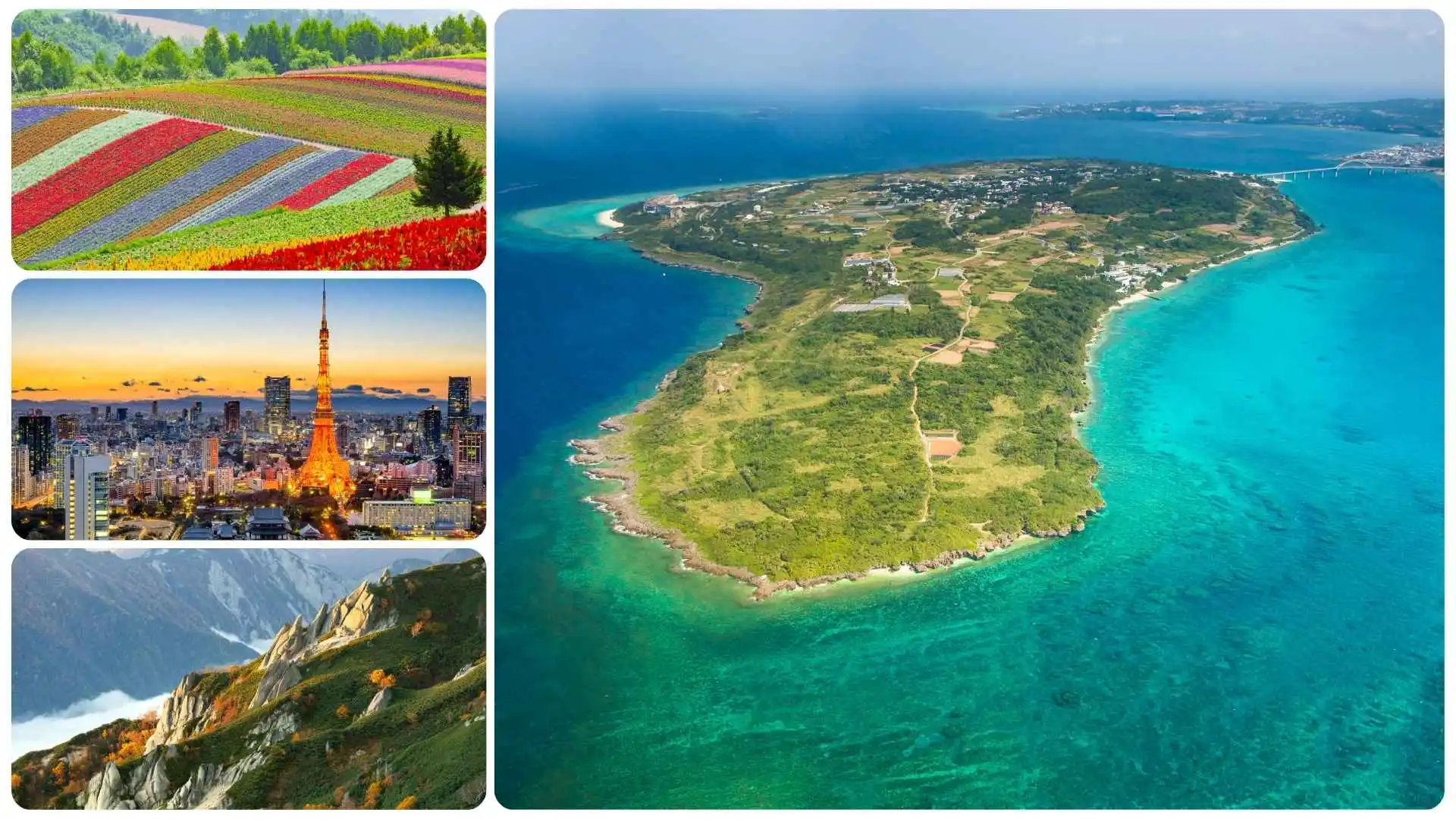
Japan is a beautiful Asian nation that has a diverse geography to impress the travelers from across the world. The north of the country offers one of the most gorgeous mountains and chilly air, while the subtropical regions of the south offer beaches, making Japan’s seasons vary throughout the year. The best time to visit Japan will heavily depend on the region you want to travel to. They are discussed below in the form of a table.
|
Region |
Best to Visit |
Why Visit? |
|
Hokkaido |
June – August December – February |
· Summers offer pleasant weather perfect for hiking. · Winters offer snow adventure activities like skiing. |
|
Tokyo & Kanto |
March – May October – November |
· Cherry Blossoms in spring. · Autumn foliage. · Temperature is pleasant in both seasons. |
|
Kyoto & Kansai |
March – May October – November |
The temples with centuries of history look exceptionally beautiful amidst the cherry blossoms as well as autumn foliage of yellow, orange, and red. |
|
Japanese Alps (Nagao, Hakuba, and Takayama) |
December – March April – May |
· Excellent skiing opportunities. · Breathtaking mountain scenery in spring. |
|
Tohoku |
April – May and October |
Late cherry blossoms and autumn foliage, |
|
Hiroshima & Chugoku |
March – May October – November |
The pleasant weather, with a mild chill in the air, makes sightseeing and island-hopping fun. |
|
Shikoku |
March – May September – November |
Pleasant temperatures for temple visits, cultural tours, and outdoor activities. |
|
Kyushu |
March – May October – November |
Comfortable weather for sightseeing, hot springs, and volcanoes. |
|
Okinawa |
April – June September – November |
Warm beach weather without peak summer and typhoon risks. |
Quick Insights
- The best regions for cherry blossoms are Tokyo, Kyoto, Osaka, and Tohoku during March and April.
- The best regions for autumn foliage are Kyoto, Nikko, the Japanese Alps, and Tohoku between October and November.
- The best regions for skiing and snowboarding are Hokkaido and the Japanese Alps between December and February.
- The best regions for beach and island vacations are Okinawa between September and November and April and June.
- The best region for nature lovers is Hokkaido in summer and the Japanese Alps in spring and autumn.
- The best regions for cultural brush-up are Kyoto, Nara, and Kanazawa in spring and autumn.
- The best regions for fewer crowds are Shikoku and Tohoku.
- The best all-round destinations in Japan are Tokyo, Kyoto, and Osaka.
Best Time to Visit Japan for Festivals
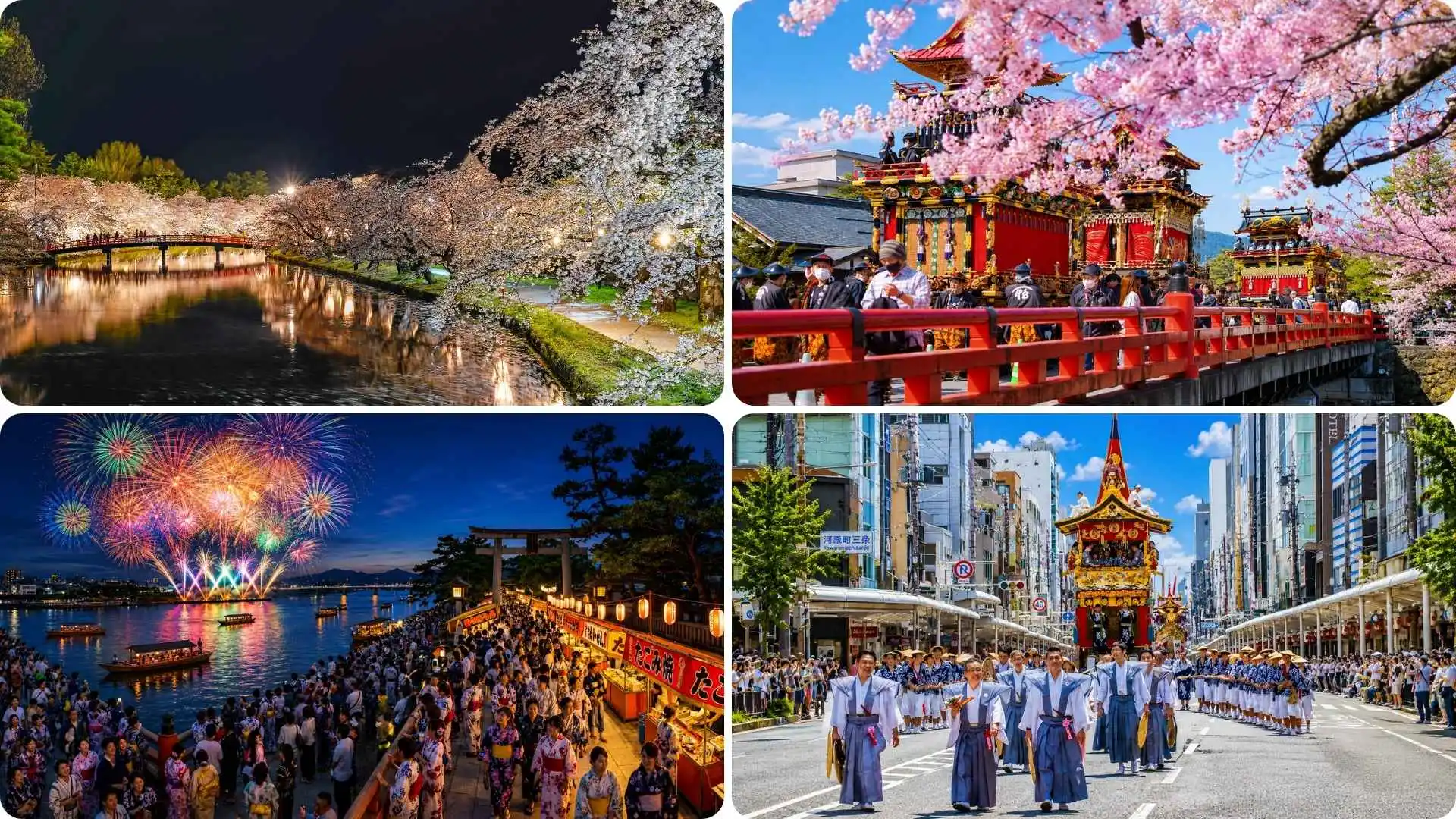
Japan has some of the most vibrant festivals that draw a massive number of visitors. There are centuries-old traditional festivals as well as fireworks displays and snow festivals. The festivals offer a close look at the rich cultural heritage of Japan. Cultural enthusiasts would love visiting this country during festivals, and the following table would help you know the best time to visit Japan for festivals.
|
Festivals |
Month |
Location |
|
Cherry Blossoms Festival |
March – April |
Tokyo, Kyoto, Osaka, and Nara |
|
Takayama Spring Festival |
April |
Takayama |
|
Gion Matsuri |
July |
Kyoto |
|
Tenjin Matsuri |
July |
Osaka |
|
Aomori Nebuta Festival |
August |
Aomori |
|
Summer Fireworks Festivals |
July – August |
All over Japan |
|
Takayama Autumn Festival |
October |
Takayama |
|
Sapporo Snow Festival |
February |
Sapporo and Hokkaido |
Quick Insights
- Gion Matsuri is one of the most vibrant festivals in Japan. July would be the best month to visit Japan if you want to witness grand processions, traditional costumes, street fairs, and community pride.
- Gion Matsuri is celebrated to appease the Shinto deities and ward off diseases.
- Tenjin Matsuri is celebrated to drive out summer evils, appease angry spirits, honor water metropolis, and promote city prosperity.
- The popular festive season means the hotel and accommodation rates would be high with limited availability and therefore you should book at the earliest.
Best Time to Visit Japan – Honeymoon & Beaches
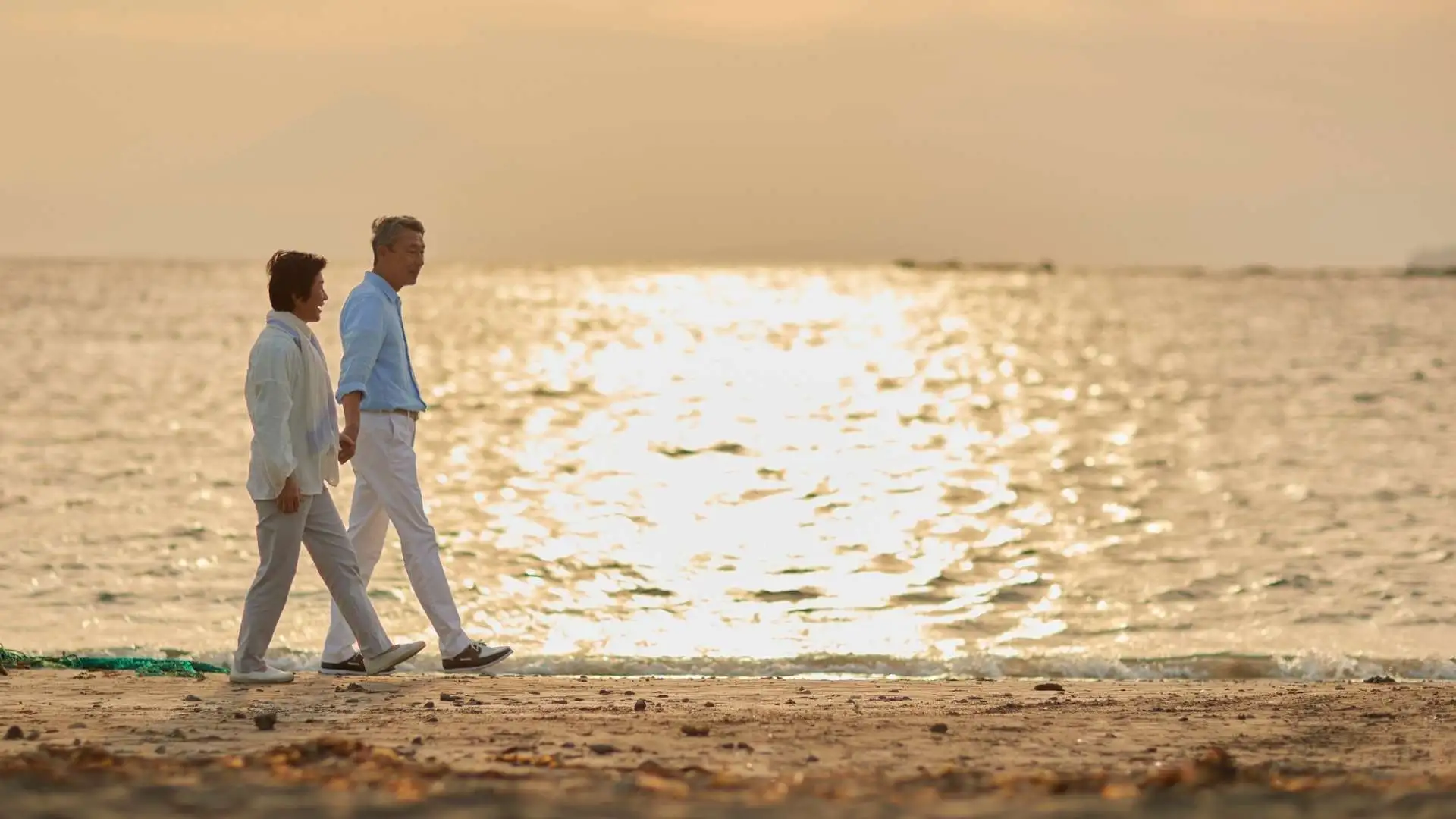
Although Japan is an island nation, beaches are not what people generally associate it with. The first image that comes to anyone’s mind for Japan is either Mount Fuji or cherry blossoms or anime/manga. But what most Japan tour packages forget to include are the scenic coastlines. Japan is a wonderful option for beach holidays and honeymoon tours. Be it the cherry blossoms, hot springs, winter wonders, or beaches, Japan will surprise you. In this segment, learn the best time to visit Japan if beaches and honeymoons are what you are looking for.
We have prepared two separate tables for honeymoon and beach vacations in Japan.
Honeymoon Places in Japan
|
Season |
Month |
Best Honeymoon Places |
Highlights |
|
Spring |
March – May |
Tokyo, Kyoto, Osaka, Nara, and Hakone |
Romantic cherry blossoms, pleasant cool weather, picturesque gardens, scenic river views, and comfortable sightseeing. |
|
Summer |
June – August |
Okinawa, Hokkaido, and Kamakura |
Beaches, fireworks display, and outdoor adventure activities. |
|
Autumn |
September – November |
Kyoto, Nikko, Hakone, and Mount Fuji |
Autumn foliage, bearable temperature, beautiful surroundings, and fewer crowds. |
|
Winter |
December – February |
Hokkaido, Hakone, Nagano, and Yuzawa |
Snowy surroundings, hot springs, ryokans, and ski resorts. |
Beach Holiday Places in Japan
|
Season |
Month |
Best Honeymoon Places |
Highlights |
|
Late Spring |
May – June |
Okinawa, Miyako Island, and Ishigaki Island |
Warm temperatures, fewer tourists, and calm beaches. |
|
Summer |
July – August |
Okinawa, Kerama Island, Amami Oshima and Shirahama Beach |
Peach beach season with plenty of adventure activities like snorkeling and diving. |
|
Early Autumn |
September – October |
Okinawa, Miyako Island, and Ishigaki Island |
Warm temperatures, fewer tourists, and calm beaches. |
|
Winter |
December – February |
Okinawa (southern) |
Mild temperatures, relaxing time for swimming, and coastal sightseeing. |
Quick Insights
- The best honeymoon season overall is between March and May, and the cheapest time for a honeymoon in Japan is between October and November.
- The best destination is Okinawa, and the overall beach season is between May and September.
- If you want the best of tropical islands, then visiting Miyako Island and Ishigaki Island would be recommended.
- Hokkaido and Hakone form the best winter destinations.
- The best places for luxury couples are Kyoto, Hakone, and Tokyo.
Cheapest Time to Visit Japan
Japan is generally considered an expensive country, but you can reduce your Japan trip cost up to considerable limits if you choose the right time to visit. The cheapest time would be the best time to visit Japan for budget travelers. Lower airfares and hotel rates during the shoulder season are best for traveling to Japan.
Check the detailed information in a table below:
|
Budget-Friendly Months |
Why it’s cheap? |
What to expect? |
|
January (after New Year) |
The tourist crowd is gone after a spirited New Year celebration leading to lower airfare and hotel rates. |
Winter scenery, ski season, hot springs, and quieter surroundings. |
|
February |
One of the least expensive months as winter is at the peak. |
Skiing and other snow adventure activities. |
|
June |
It rains in Japan during this time reducing travel cost due to fewer tourists. |
Greener surroundings and less-crowded landmarks. |
|
Early December |
It’s the low phase before Christmas and New Year begins. |
Festive preparations and fewer crowds. |
Travel Tips for Japan
Traveling to Japan from India is not difficult or too expensive; all you need is a proper plan and booking in advance to get the best rates. This blog about the best time to visit Japan has already highlighted the popular and lean travel seasons in the country. Now read about some travel tips before going to Japan:
- You have to walk a lot for city exploration, shopping districts, temples, and gardens and therefore must carry walking shoes.
- Pack an umbrella and rain jacket because if you visit during June, which is one of the cheapest and best months to visit Japan, you may encounter rainfall.
- Japan uses Type A and Type B chargers, so carry a universal adapter.
- Clothes should be modest while you are entering temples and shrines.
- Buy a transport pass to cut the cost of traveling between cities.
- Rely on the efficient trains and metro systems to save time and money.
- Arrive at the station before time because Japanese trains are seldom late.
- Travel during the shoulder or off-season in Japan to get discounted hotel rates and airfares.
- Book your flights and hotels 8-10 weeks in advance (especially in big cities) if you are going to Japan in its peak tourist season.
- Choose capsule hotels, business hotels, or guesthouses to save accommodation costs.
- Visiting the landmarks in the early morning hours would give you a crowd-free experience, and you could photograph better.
- The least visited places are the quieter and more authentic side of Japan.
- Check the hotel locations and book something near train stations for an easy commute.
Conclusion
One of the most beautiful and photographed countries in the world, Japan is where unique adventure, natural beauty, and cultural history merge to offer something unforgettable to the tourists. People see Japan as a benchmark of technological advancement and how modern-day innovation is helping it live 50 years ahead of the rest of the world. Through anime, gaming, and cuisine, Japan has also become a global soft power alongside being the fourth largest economy. Tourists from across the world love Japan not only for the cherry blossoms, autumn foliage, winter adventures, and hidden beaches, but also for the humbleness among the Japanese people.
If you are traveling to the land of the rising sun, you will find this blog about the best time to visit Japan to be an intriguing read. For more information about this country, dive into the Japan travel guide blog.
FAQ
What is the best time to visit Japan?
Spring (March – May) and autumn (September – November) are the best times to visit Japan.
Which is the best month to visit Japan?
If one has to single out only one, April would be the best month to visit Japan.
When can I see the cherry blossoms in Japan?
You can witness cherry blossoms between late March and early April in Japan.
When is the cheapest time to visit Japan?
February is the cheapest month to visit Japan.
Which is the best time to see the beautiful autumn foliage in Japan?
The golden and orange hues of autumn foliage in Japan appear from late October to early December.
Is Japan worth a visit in winter?
Yes, Japan is worth a visit in winter if you love to explore snow adventures like skiing and snowboarding.
How many days are enough for Japan?
You need 7-10 days to explore all the famous landmarks and cities in Japan.
Which is the best time to visit Japan as a first-timer?
As a first-timer, the best time to visit Japan is during the spring season.