
Best Time to Visit Vietnam in 2026– Weather, Seasons, & Travel Tips

Planning to visit Vietnam—the land of stunning views? People who love both beaches and mountains can take the Vietnam trip and have a wonderful time. But knowing about the best time to visit Vietnam is essential; otherwise, you will not be able to enjoy your vacation. The overall best time to visit Vietnam is between February and April because the temperature remains between 15 degrees to 35 degrees Celsius but that comes with many regional differences.
Imagine walking in Ha Long Bay under clear blue or walking around the lantern-lit Hoi An street holding your lover’s hand. You can do all that but with proper planning so that the climate remains favorable.
In this blog, you will learn about the best months to travel to Vietnam. There will be region-wise insights and some valuable tips to enhance the joy of your Vietnam trip.
Climate of Vietnam – A General Overview
Understanding the climate of Vietnam and knowing the best time to visit Vietnam is essential before planning a trip there. Vietnam, just like India, has a tropical monsoon climate, which means the weather is hot and humid. Moreover, there are strong monsoon winds that might change weather patterns throughout the year. The seasonal changes alter the Vietnam temperature, precipitation levels, and travel prospects across different regions.
Knowing the temperature and climate will help you navigate the Vietnam tourist season and also take advantage of Vietnam`s off-season for cheaper hotel/resort rates. Vietnam stretches along the eastern edge of the Indochina Peninsula, and thus there are beaches, mountains, deltas, and forests. Furthermore, the long, narrow shape of the country creates contrasting weather patterns among regions.
The north, south, and central regions of Vietnam offer varied topography, and thus the climate also differs. A short overview of the climate of all these three climatic regions is discussed below:
North Vietnam
It is where you come for Hanoi, Ha Long Bay, or Sapa. This region gets all four distinct seasons.
Winter Season: November to February
- Remains cold, and temperatures may drop to single digits in highlands
- Best for trekking and cultural trips
Summer Season: May to August
- Remains hot and humid.
- May rain occasionally, leading to more greenery
- Best for cruising through Ha Long Bay and enjoying the scenic view.
Spring & Autumn: March to May & September to November
- Mild temperatures and thus comfortable to roam around.
- Take advantage of the lower prices of hotels in these shoulder seasons
- You get lesser crowds
|
Month |
Average Temperature |
Humidity |
Weather Overview |
|
January |
15°C – 20°C |
70–80% |
Cool and dry; chilly in mountain areas |
|
February |
16°C – 21°C |
75–82% |
Pleasant with light drizzle at times |
|
March |
19°C – 24°C |
78–85% |
Mild spring weather with increasing humidity |
|
April |
22°C – 28°C |
75–82% |
Warm and comfortable for sightseeing |
|
May |
25°C – 32°C |
75–85% |
Beginning of summer with occasional rain |
|
June |
27°C – 34°C |
78–88% |
Hot, humid, and greener landscapes |
|
July |
27°C – 35°C |
80–90% |
Warmest month with frequent showers |
|
August |
26°C – 34°C |
80–90% |
Humid with monsoon rains |
|
September |
25°C – 32°C |
75–85% |
Pleasant transition into autumn |
|
October |
22°C – 29°C |
70–80% |
Cooler weather and clearer skies |
|
November |
19°C – 26°C |
68–78% |
Dry and comfortable for travel |
|
December |
16°C – 22°C |
65–75% |
Cool winter weather with low rainfall |
Central Vietnam
This region includes Hue, Hoi An, and Da Nang. Central Vietnam has only two distinct climatic conditions mentioned below:
Dry Months: February to August
- There is sunshine for sightseeing
Wet Season: September to December
- Heavy and abrupt rainfall alongside typhoons near the coasts
|
Month |
Average Temperature |
Humidity |
Weather Overview |
|
January |
20°C – 25°C |
78–85% |
Mild weather with occasional showers |
|
February |
21°C – 27°C |
72–80% |
Dry and pleasant for beach holidays |
|
March |
23°C – 29°C |
70–78% |
Sunny days and comfortable evenings |
|
April |
25°C – 31°C |
70–78% |
Warm and ideal for sightseeing |
|
May |
26°C – 33°C |
72–80% |
Hot with long sunny days |
|
June |
27°C – 34°C |
70–80% |
Peak beach season with clear skies |
|
July |
27°C – 35°C |
72–82% |
Hot and humid conditions |
|
August |
26°C – 34°C |
75–85% |
Warm with occasional late showers |
|
September |
25°C – 32°C |
80–90% |
Start of wet season and tropical rains |
|
October |
24°C – 29°C |
82–92% |
Heavy rainfall and possible typhoons |
|
November |
22°C – 27°C |
80–90% |
Wet and cloudy weather |
|
December |
20°C – 25°C |
78–88% |
Cooler temperatures with lingering rains |
South Vietnam
This is the most popular region of Vietnam, consisting of famous places like Ho Chi Minh City, the Mekong Delta, and Phu Quoc Island.
Dry Season: November to April
- The days are sunny, and temperatures are steady
- It is the peak tourist season in Vietnam for favorable weather
Rainy Season: May to October
- Short shower time refreshes the surrounding
- If you can adjust to occasional rain, you can enjoy the off-season in Vietnam and stay at cheaper rates.
|
Month |
Average Temperature |
Humidity |
Weather Overview |
|
January |
22°C – 32°C |
65–75% |
Dry, sunny, and comfortable |
|
February |
23°C – 33°C |
60–70% |
Warm and excellent for outdoor trips |
|
March |
24°C – 34°C |
60–72% |
Hottest and driest period begins |
|
April |
25°C – 35°C |
65–75% |
Hot with rising humidity |
|
May |
25°C – 33°C |
75–85% |
Start of rainy season with short showers |
|
June |
24°C – 32°C |
80–90% |
Frequent afternoon rainfall |
|
July |
24°C – 31°C |
82–92% |
Wettest and most humid period |
|
August |
24°C – 31°C |
82–92% |
Tropical showers and lush greenery |
|
September |
24°C – 31°C |
82–90% |
Continued rainfall with warm weather |
|
October |
24°C – 31°C |
80–88% |
Rain gradually decreases |
|
November |
23°C – 32°C |
72–82% |
Beginning of dry and pleasant season |
|
December |
22°C – 31°C |
68–78% |
Sunny weather and festive atmosphere |
Best Time to Visit Vietnam – A Regional Map
As Vietnam is a vast country with geographical diversity, various regions have various peak tourist seasons. The best time to go to Vietnam varies depending on which region you have selected. Read further to plan your visit to Vietnam.
Best Time to Visit North Vietnam - October to April
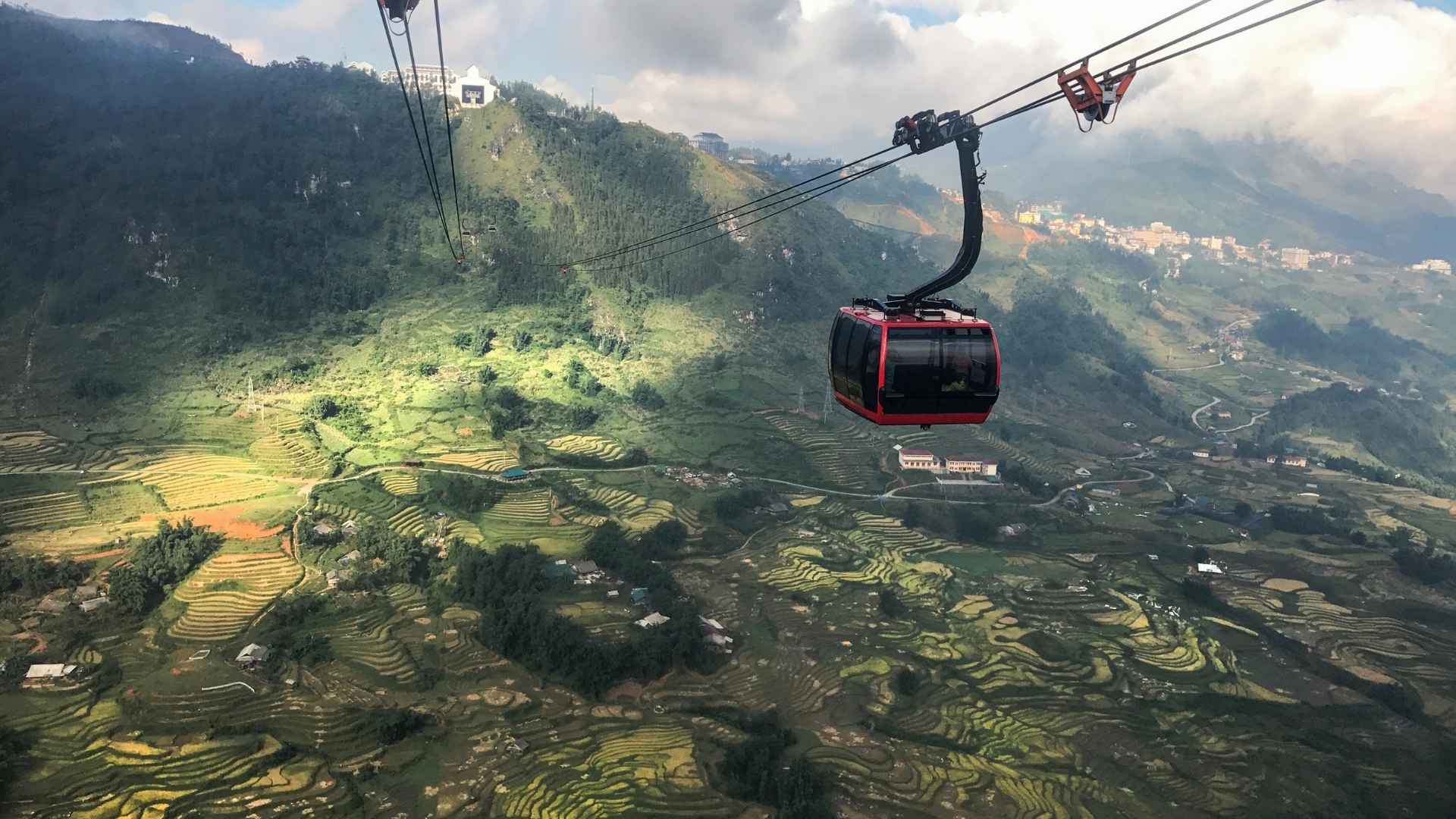
It contains the immensely popular places in Vietnam, like Hanoi, Ha Long Bay, Ninh Binh, Sapa, Ha Giang Loop, Mai Chau, Ba Be National Park, Cat Ba Island, Moc Chau, and Dong Van Karst Plateau.
The weather is dry and cool, which is perfect for sightseeing as well as adventure activities in Vietnam. The weather is so good that the skies remain clear, landscapes look serene, and thus travel becomes more convenient.
Months to Avoid: June to August
These months are good to avoid for heavy rains and high humidity. Heavy rains may disrupt you while you are on the road, and humidity will make you feel uneasy. The continuous sweating with high temperatures around makes this time unfavorable for travelers.
Things to do:
- Hanoi’s Old Quarter and street food
- Visit Ho Chi Minh Mausoleum
- Go to the Temple of Literature
- Cruise in Ha Long Bay for limestone cliffs
- Trekking in Sapa
- Scenic train ride from Hanoi to Lao Cai
Best Time to Visit Central Vietnam - February to August

The most famous places in Vietnam to visit, like Da Nang, Hue, or Hoi An, belong to the central region. The captivating natural beauty is the prime USP of this region.
These six months comprise the best time to visit Vietnam and witness long sunny days with negligible rainfall. Thus, this is the best time for beach vacations or visiting the historical sites. Take your leisure time and walk around the lantern-lit streets or beaches. The central Vietnam temperature is perfect for a relaxing vacation with your family.
Months to Avoid: September to November
In these three months, Central Vietnam receives storms and typhoons, and that’s why it is better not to travel in these risky months. The heavy precipitation may sometimes lead to flooding in the major tourist attractions. If the sea condition is dangerous, sometimes the famous places like Hoi An or Da Nang remain closed for travelers.
Things to do:
- Trek through the Marble Mountains to enjoy the panoramic view of the city from the top
- Explore the marvelous ancient town of Hoi An and, of course, the lantern-lit streets
- Go to the Imperial Citadel and royal tombs of Hue
- Water sports on My Khe Beach
- Relax at Da Nang
- Take a bicycle ride or cooking class in the countryside of Hoi An
Best Time to Visit South Vietnam - December to April

Ho Chi Minh City is one of the busiest cities in the world, known for its skyscrapers and vibrant nightlife. It is the major attraction of South Vietnam alongside Phu Quoc Island and the Mekong Delta.
The South Vietnam peak time to visit is these four months of warm tropical weather. The temperature is high but bearable with a clear sunlit sky, and the rainfall is negligible for you to enjoy all the outdoor activities and sightseeing. Be it beach relaxation or cruising through the delta, these months are the best time to travel to Vietnam.
Months to avoid: May to October
In these five months, South Vietnam remains very humid and may witness haphazard downpours anytime. There may be occasional flooding in some areas, leading to disrupted island trips or beach plans. Outdoor activities are also suspended due to erratic weather conditions.
Things to do:
- War Remnants Museum & Notre-Dame Cathedral visits in Ho Chi Minh City
- Go to Ben Thanh Market and Nguyen Hue Walking Street for shopping and dining
- Watersports on Phu Quoc Island
- Relaxing at the beaches of Phu Quoc Island
- Boat tour through the Mekong Delta
- Explore floating markets of the Mekong Delta
Are there any Off-Season Vietnam Travel Benefits?
The major impediment in planning a Vietnam tour during the off-season is the erratic rainfall. There can be occasional flooding too, coupled with high humidity. Moreover, there is a possibility of closing major outdoor activities during Vietnam`s off-season. But on the flip side, the hotels and resorts in Vietnam may offer you discounted prices. Find out other benefits of traveling to Vietnam during off and shoulder seasons.
- No crowd at tourist spots: During the best season to visit Vietnam, the crowd is larger, leading to a rush. But during the off-season, with fewer crowds in major tourist spots like Hoi An or Ha Long Bay, you can move around the cities in Vietnam peacefully.
- Low airfare cost: As the best time to visit Vietnam is over, the airline companies offer lower airfare, making way for budget travelers easier.
- Discounted Hotel Prices: Check all the best resorts and hotels in Vietnam, and you will find lucrative deals and discounts on their original prices. As the affordability for the best accommodation increases, the off-season in Vietnam becomes advantageous for travelers.
- Availability of Travel Companies and Tour Operators: You can easily get guided tours, cruises, and activities without any anxiety of tickets being sold out as you skipped the best time to visit Vietnam.
- Spontaneous Vietnam Itinerary Planning: As the footfall of tourists is less, you can make spontaneous travel decisions easily.
- Photographers Benefit: Who said only bright sunny days promote great photography? During the off-season in Vietnam, you will see cloudy skies and softer natural lighting, and occasionally that enhances more beautiful landscape photography.
- Seasonal Promotions: Not only hotels and resorts, but spas and restaurants also run seasonal offers, which is a fantastic catch.
- Ask your travel guide for a Vietnam tour package during the off-season to take advantage of this time.
Major Travel Tips for Vietnam
Before you set out on your journey for Vietnam, knowing the best time to visit Vietnam and understanding the diverse weather is important. You have to pack smartly, stay healthy, and enjoy the trip. To help you out, here is a list of essential travel tips for Vietnam.
- Follow the current season before packing: For hot and humid summer months, you need to pack the featherlight clothes that are skin-friendly. For monsoon, carrying an umbrella and raincoats would be imperative, while a few warm clothes are essential for the winter season.
- Come prepared for showers: The overall weather character of Vietnam is unpredictable. It can rain anytime, and that`s why waterproof clothes, bags, umbrellas, rain boots, and raincoats are essential.
- Check Weather Updates: There can be storms and typhoons, especially in Central Vietnam. So, check the weather forecasts daily and book flexible tours.
- Stay Hydrated: There is high humidity in Vietnam, and that can cause dehydration and fatigue. So, stay hydrated, especially during the day while you are sightseeing outside.
- Don’t forget essential medicines: Keep basic medicines for motion sickness, stomach-related ailments, flu-like diseases, and allergies. Humid weather can trigger health problems, and thus traveling with precautions is advised.
- Mosquito repellent: In humid weather, there can be increased mosquito activity. So, wear skin-friendly, long-sleeved clothes. Furthermore, choose accommodations with proper air-conditioning and guard against mosquitoes.
- Sunscreen is a must: The sun is strong even in winter in Vietnam. So, always carry sunscreen to protect your skin from any damage.
Monthly Weather & Temperature Breakdown of Vietnam
Here is a monthly temperature guide for Vietnam travel. Know more about the average temperatures of North, Central, and South Vietnam below so that the best time to visit Vietnam is clear to you.
|
Month |
North Vietnam – Average Temperature (°C) |
Central Vietnam – Average Temperature (°C) |
South Vietnam – Average Temperature (°C) |
Note |
|
January |
16.8 |
20.3 |
26 |
Dry & cool in the north; mild and relatively dry in central & southern regions |
|
February |
17.8 |
21.4 |
26.4 |
Still dry, especially in Central and South Vietnam |
|
March |
20.4 |
23.4 |
27.6 |
Warming up; spring in the north, sunshine increasing |
|
April |
24 |
26 |
28.9 |
Rain starts to increase in some regions; hot and humid in the south Vietnam |
|
May |
27.6 |
28.5 |
29.5 |
Rain season begins strongly in the north & south; central relatively moderate |
|
June |
29.4 |
29.9 |
29.4 |
Peak monsoon rains in many regions; hot and humid |
|
July |
29.8 |
29.7 |
28.9 |
Very rainy in the north and south; central stays warm |
|
August |
29.3 |
29.2 |
28.4 |
Monsoon continues; heavy rainfall likely in many places |
|
September |
27.8 |
28 |
28 |
Transition period; Central Vietnam often hit by storms/typhoons |
|
October |
24.7 |
25.8 |
27.5 |
Rainfall drops; more sunshine, especially in north & south |
|
November |
21.4 |
23.4 |
27.1 |
Cooler north; mild and more stable in central & southern regions |
|
December |
18.4 |
21.3 |
26.3 |
Dry season returns almost everywhere; pleasant weather for travel |
Conclusion
Vietnam surprises travelers all year round with seasonal experiences. You will find scenic landscapes and cooler weather in North Vietnam, while in South Vietnam the warm beaches will greet you. The vibrant cities of central Vietnam will keep you entertained any month of the year. The best time to visit Vietnam usually depends on what you want from the trip—whether the warm sunny beaches or the misty mountains. Understanding the Vietnam weather, Vietnam seasons, and Vietnam temperatures will help you plan a memorable trip to this wonderful country.
Refer to our comprehensive blog above and plan your visit to Vietnam. Furthermore, for detailed directions, don’t forget to check our Vietnam Tour Guide blog.
FAQ:
Is Vietnam a good place to visit?
Yes, Vietnam is a wonderful place to visit, famous for its rich culture, magnificent landscapes, lip-smacking Vietnamese food, and cheerful cities.
Is Vietnam good to visit in December?
Yes, Vietnam in December is a great time to visit. North Vietnam remains cool and pleasant while the South remains dry in this month, making it a convenient time for travelers.
What is the off-season in Vietnam?
Generally, the off-season in Vietnam is May to October, as many regions receive heavy downpours, leading to high humidity and suspension of major outdoor activities.
How is Vietnam in June?
June in Vietnam is generally hot and humid with frequent showers in a few places, especially central and south.
What months are the hottest in Vietnam?
The hottest months in Vietnam are from May to August.