Top 10 Places to Visit in Egypt in 2026: Famous Attractions, Landmarks and More

Egypt is the kind of destination where history is not confined to just museums. You can experience ancient temples standing beside modern cities, lives revolving around the Nile and desert opening into landscapes that are different from anywhere else.
From the iconic Pyramids of Giza to the temples of Luxor and the Red Sea resorts, there is much more to discover than the monuments most travellers already know.
If you are visiting for the first time, deciding which places to visit in Egypt can be a little challenging, because the country offers several very different travel experiences. Cairo and Giza are good if you like history and culture, Luxor and Aswan take you deeper into ancient Egypt, while Hurghada and Sharm El Sheikh offer a slower beach - focused holiday.
This guide covers the Top 10 places to visit in Egypt, along with what makes each destination worth visiting, how to reach it, highlights and the best time to go and practical tips for planning an Egypt holiday.
Quick Guide to the Best Places to Visit in Egypt
|
Destination |
Best Known For |
Ideal For |
|
Pyramids of Giza |
Pyramids, Sphinx, museums, old Cairo |
First-time visitors, history lovers |
|
Luxor |
Karnak Temple, Luxor Temple, Valley of the Kings |
Ancient history, archaeology |
|
Aswan |
Philae Temple, Nile views, Nubian culture |
Couples, relaxed sightseeing |
|
Abu Simbel |
Monumental temples of Ramesses II |
History enthusiasts |
|
Alexandria |
Mediterranean coast, Greco-Roman heritage |
Culture, city breaks |
|
Hurghada |
Red Sea beaches, diving, snorkelling |
Beach holidays, families |
|
Sharm El Sheikh |
Coral reefs, resorts, water activities |
Couples, beach lovers |
|
Dahab |
Diving, Windsurfing, Laid back vibes |
Adventure travellers |
|
Siwa Oasis |
Desert landscapes, springs, oasis culture |
Offbeat travellers |
|
Fayoum |
Desert scenery, lakes, outdoor experiences |
Nature and adventure |
10 Best Places to visit in Egypt
1. Pyramids of Giza
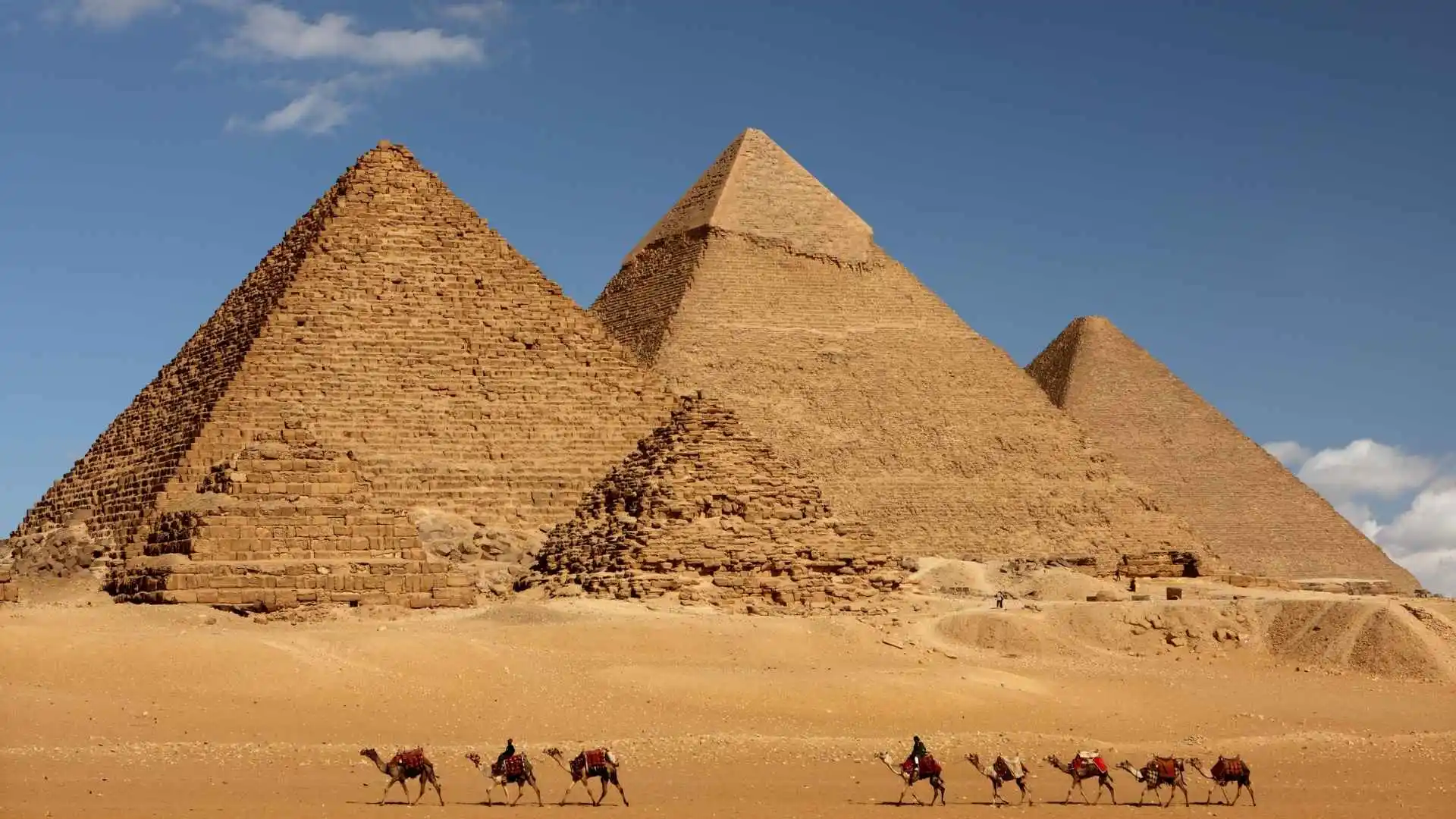
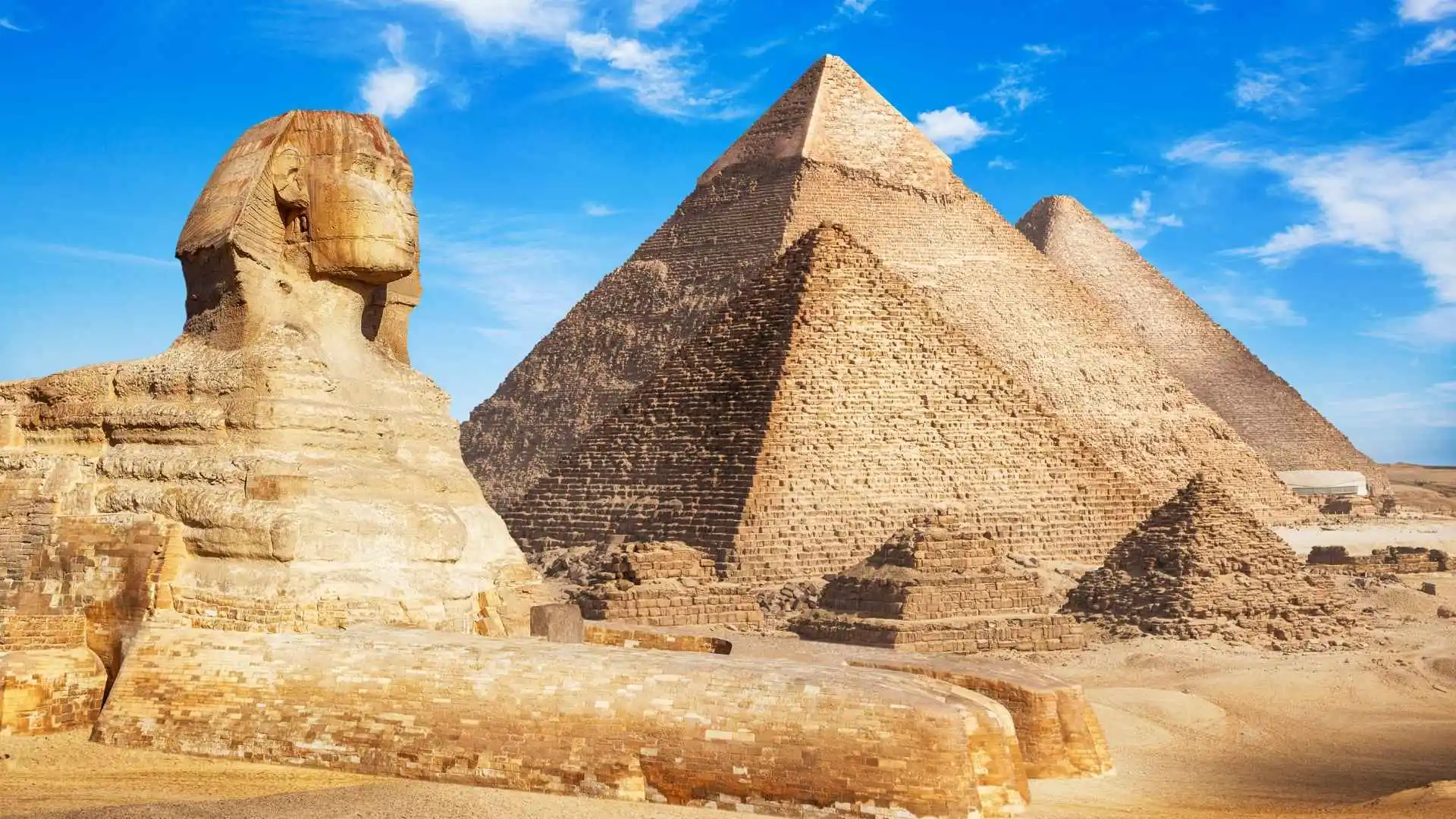
No list of the famous places in Egypt is complete without the Pyramids of Giza. It was built more than 4,500 years ago, the Giza complex includes the pyramids of Khufu, Khafre and Menkaure, along with the Great Sphinx and several other monuments. The great Pyramid of Menkaure, along with the Great Sphinx and several other monuments. The Great Pyramid of Khufu is the only surviving member of the Seven Wonders of the Ancient World.
The site is much larger than the three pyramids visible in many pictures, the plateau also has smaller pyramids, tombs, temples and other archeological remains, so it is worth allowing several hours rather than treating it as a quick stop for pictures.
How to reach: The Giza plateau is around 15– 20 km from central Cairo, depending on your starting point. It can be reached easily by a taxi, ride hailing service or any organised tour.
Highlights:
- Great Pyramid of Khufu
- Pyramid of Khafre
- Pyramid of Menkaure
- Great Sphinx
- Valley Temple
- Panoramic pyramid viewpoints
Best Time: Early morning, October – April
2. Luxor
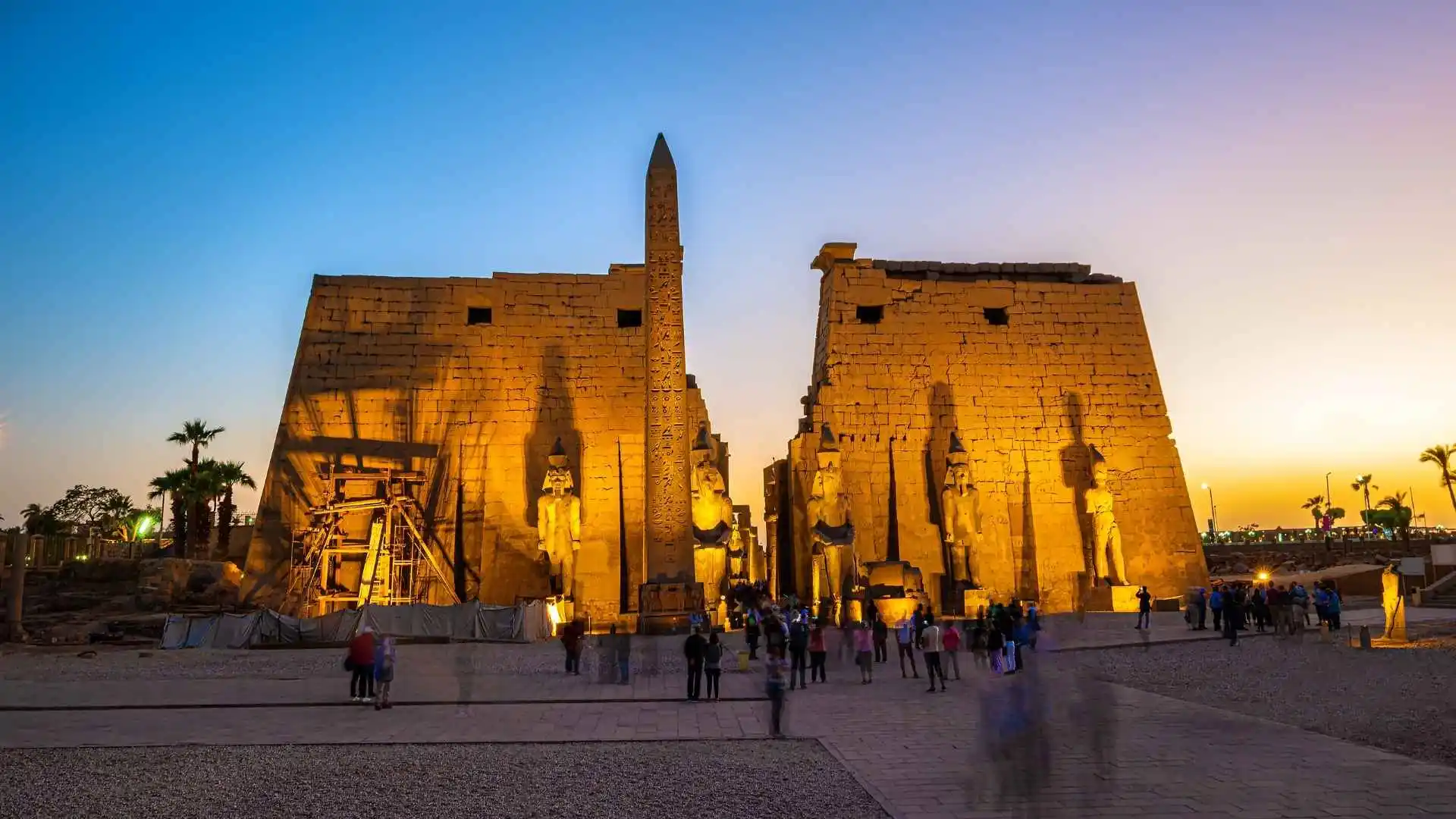
Luxor is often described as an open air museum and for good reasons. The city is divided by the Nile into the East Bank and West Bank, with major archeological sites spreading across both the sides.
In the Eastern Bank, there is Karnak Temple and Luxor Temple, while the Western side has the Valley of the Kings, Valley of the Queens and the Temple of Hatshepsut.
The concentration of ancient monuments makes Luxor one of the most important Egypt tourist spots for people looking to explore Egyptian history. Karnak here is impressive for its huge columns, courtyard and temple complexes. On the West Bank, the Valley of the Kings offers a much closer look at the decorated tombs built for pharaohs and other important figures.
How to reach: Luxor has an international airport and is also connected to Cairo by domestic flights and trains. It is usually included on Nile cruise routes between Luxor and Aswan.
Highlights:
- Karnak Temple
- Luxor Temple
- Valley of the Kings
- Temple of Hatshepsut
- Valley of the Queens
- Colossi of Memnon
- Nile cruises
Best Time: October – April
3. Aswan
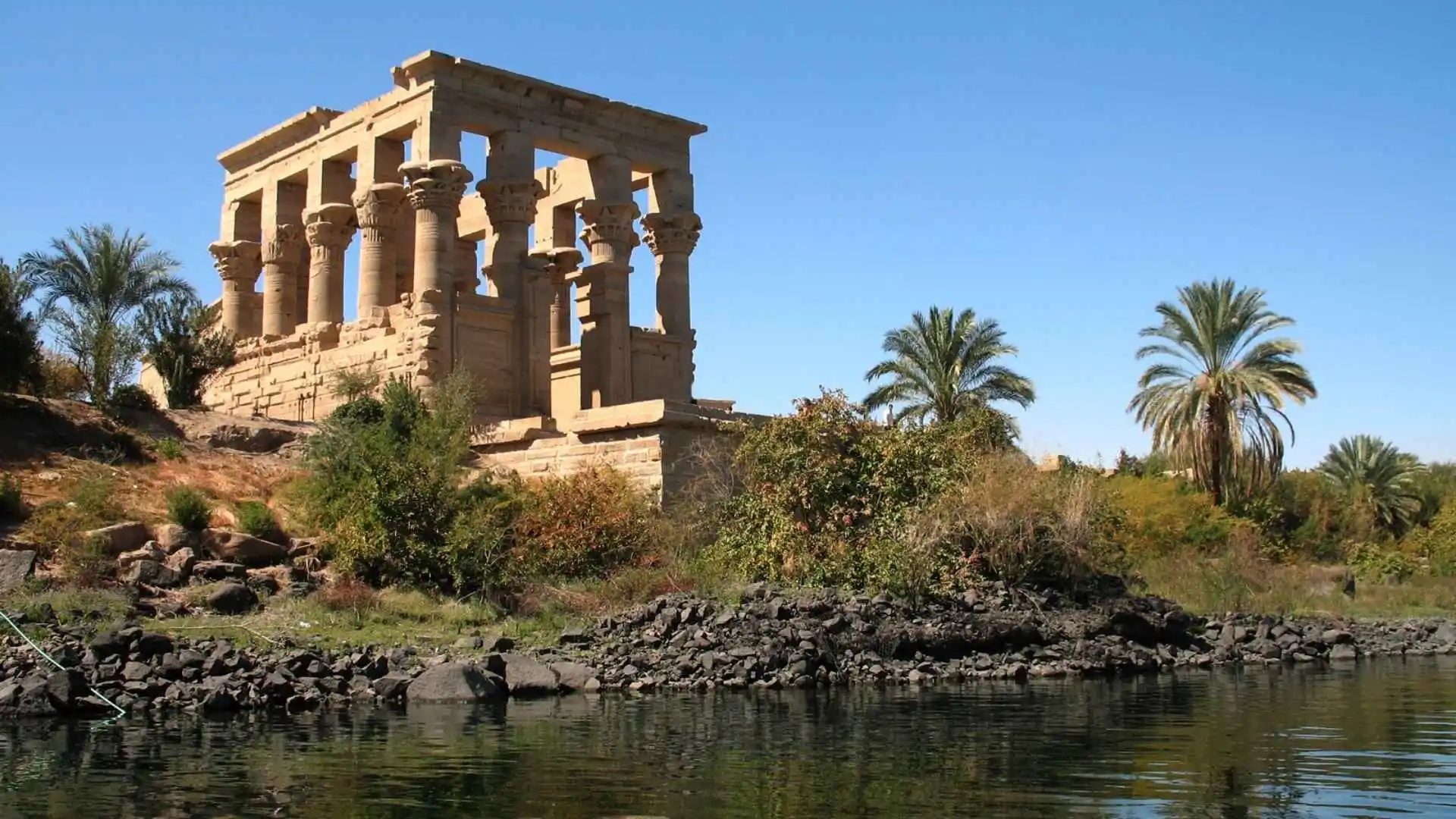
Further south along the Nile, Aswan has a quieter and more relaxed experience than the busy streets of Cairo or the extensive archeological sites of Luxor. The city is known for its river scenery, ancient temples and Nubian heritage, making it one of the more distinctive places to visit in Egypt.
One of Aswan’s most important attractions is the Temple of Philae, dedicated mainly to the goddess Isis. The temple complex stands on Agilkia Island and is reached by boat, which also adds another scenic element to your visit. Aswan is also closely connected with the history of the Aswan High Dam and is a popular starting or ending point for Nile cruises.
Beyond its monuments, Aswan is also a good place to experience the Nile at an easy pace. A traditional felucca ride, a visit to a Nubian village or simply spending time along the river can add a different dimension to an Egyptian holiday.
How to reach: Aswan can be reached by domestic flight from Cairo, train or Nile cruise from Luxor. Aswan International Airport is situated around 20 km from the city centre.
Highlights:
- Philae Temple
- Unfinished Obelisk
- Aswan High Dam
- Nile River views
- Felucca rides
- Nubian villages
- Nile cruises
Best Time to visit: October to April
4. Abu Simbel
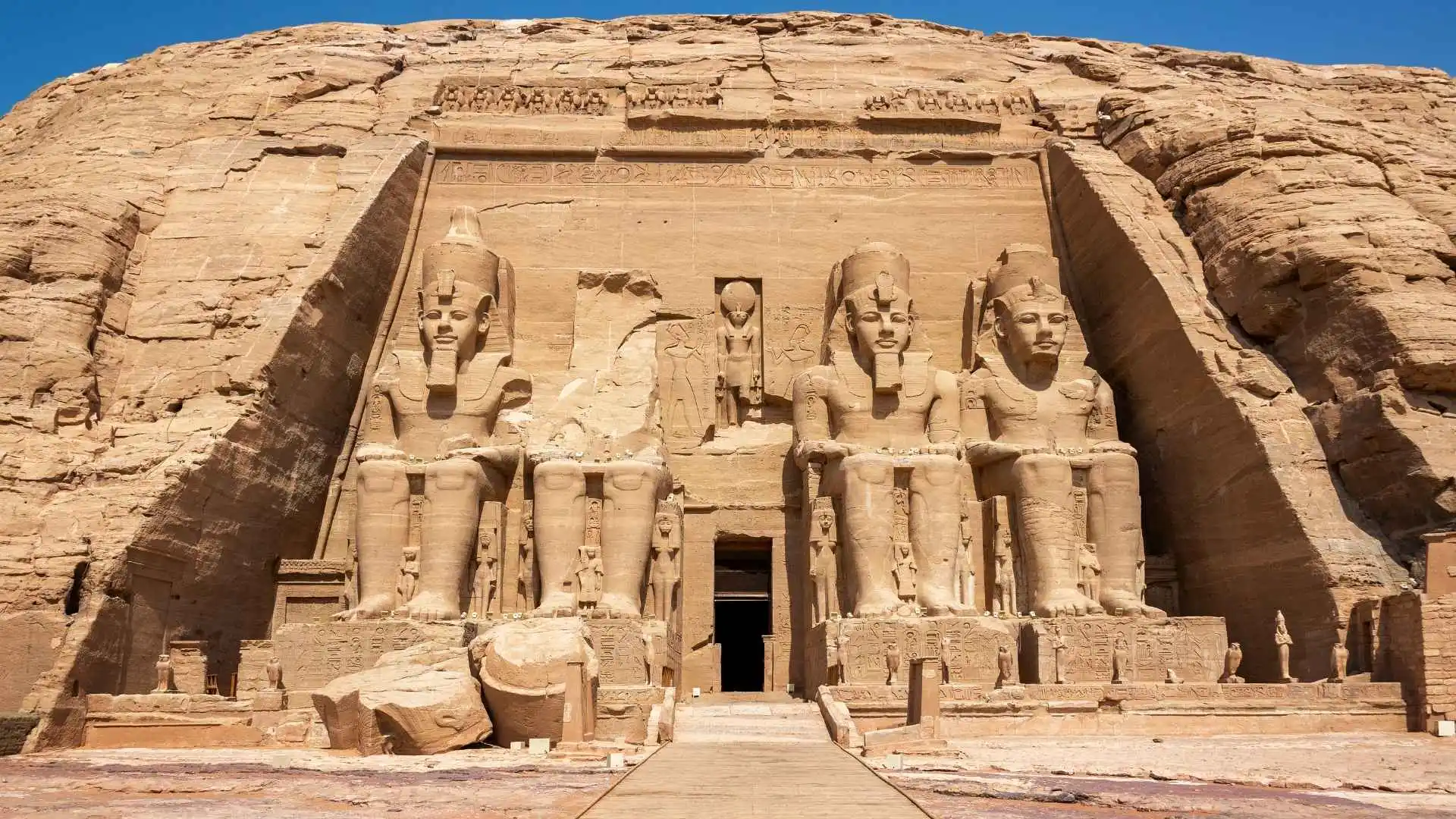
Abu Simbel is situated in southern Egypt close to the border with Sudan. It is best known for its huge rock - cut temples built during the reign of Pharaoh Ramesses II.
The site is one of the most remarkable famous landmarks in Egypt, especially because of the scale of its statues and the story behind its preservation. The main complex consists of two temples. The bigger Great Temple is dedicated to Ramesses II, while the smaller temple was made for his wife. The facades are decorated with colossal statues and detailed carvings that reflect the power and religious beliefs of ancient Egypt.
Abu Simbel is also known for an unusual modern chapter in its history. In the 1960s the entire temple complex was relocated to a higher place to keep it safe from the rising waters created by the Aswan High Dam. The relocation was an enormous international conservation project and helped in preserving the monument till now.
How to reach: Abu Simbel is around 280 km southwest of Aswan. Most travellers visit as a day trip from Aswan by road or domestic flight. Organised excursions are also available, which can make the long journey easier to manage.
Highlights:
- Great Temple of Ramesses II
- Temple of Queen Nefertari
- Colossal statues of Ramesses II
- Ancient reliefs and inscriptions
- Lake Nasser surroundings
- Temple relocation site and conservation history
Best time to visit: October – April
5. Alexandria
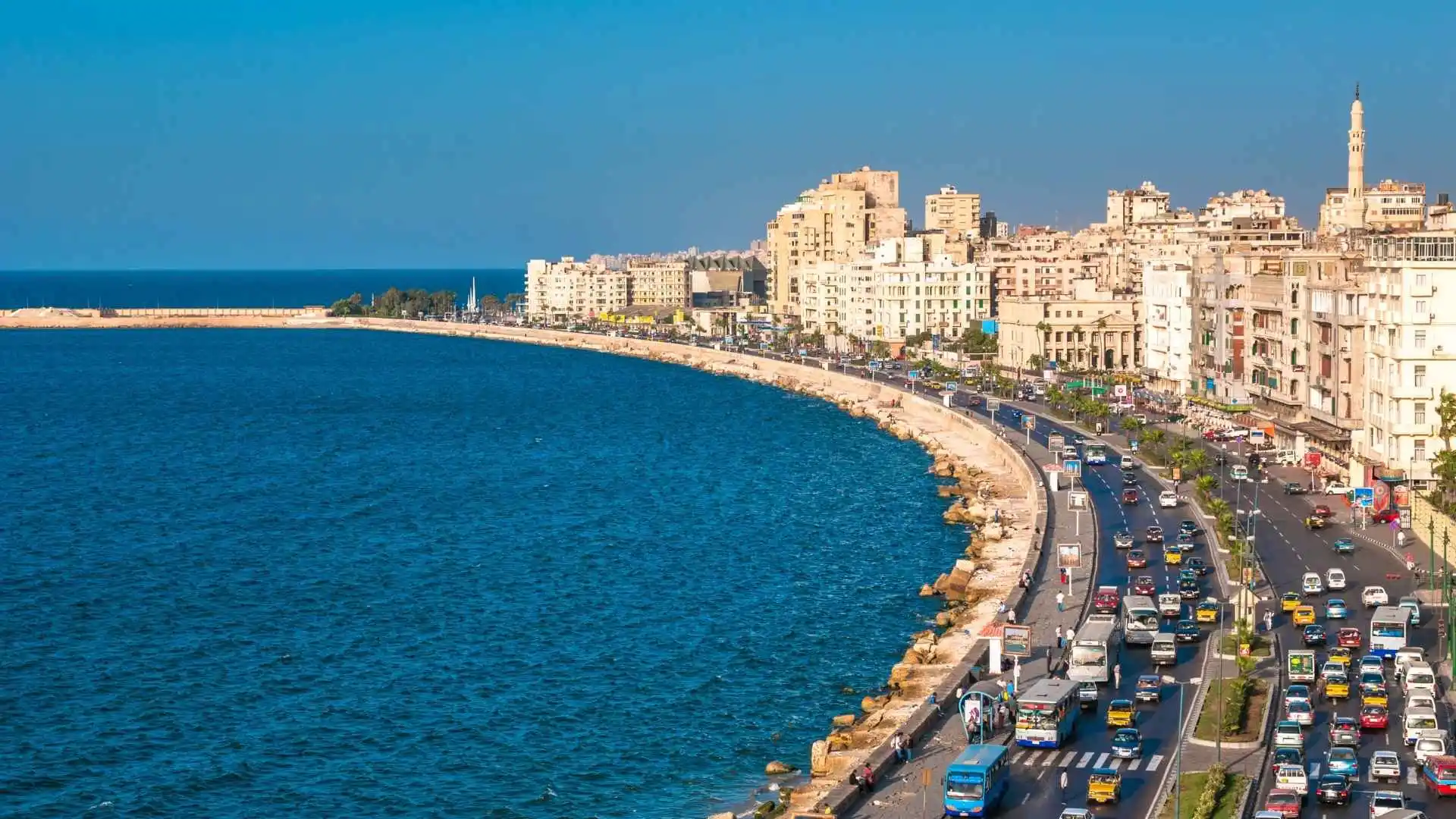
On Egypt’s Mediterranean coast, Alexandria offers a very different experience from the ancient monuments of Giza and the temples of southern Egypt. Founded by Alexander the Great 331 BC, the city developed into an important centre of learning, trade and culture in the ancient Mediterranean world. Today, its waterfront, historical sites and Mediterranean atmosphere makes it among the most interesting places to visit in Egypt.
Alexandria is particularly appealing for its mix of Gerco Roman heritage and modern coastal life. The city has archeological sites, museums, cafes and seafood restaurants along its Corniche, making it possible to combine sightseeing with a more relaxed city experience.
How to reach?
Alexandria is around 220 km from Cairo and can be reached by taking a train or by road too.
Highlights:
- Bibliotheca Alexandrina
- Citadel of Qaitbay
- Catacombs of Kom El Shoqafa
- Pompey`s Pillar
- Mediterranean Corniche
- Greco-Roman archaeological sites
- Local seafood and cafés
Best time to visit: Spring and Autumn season
6. Hurghada
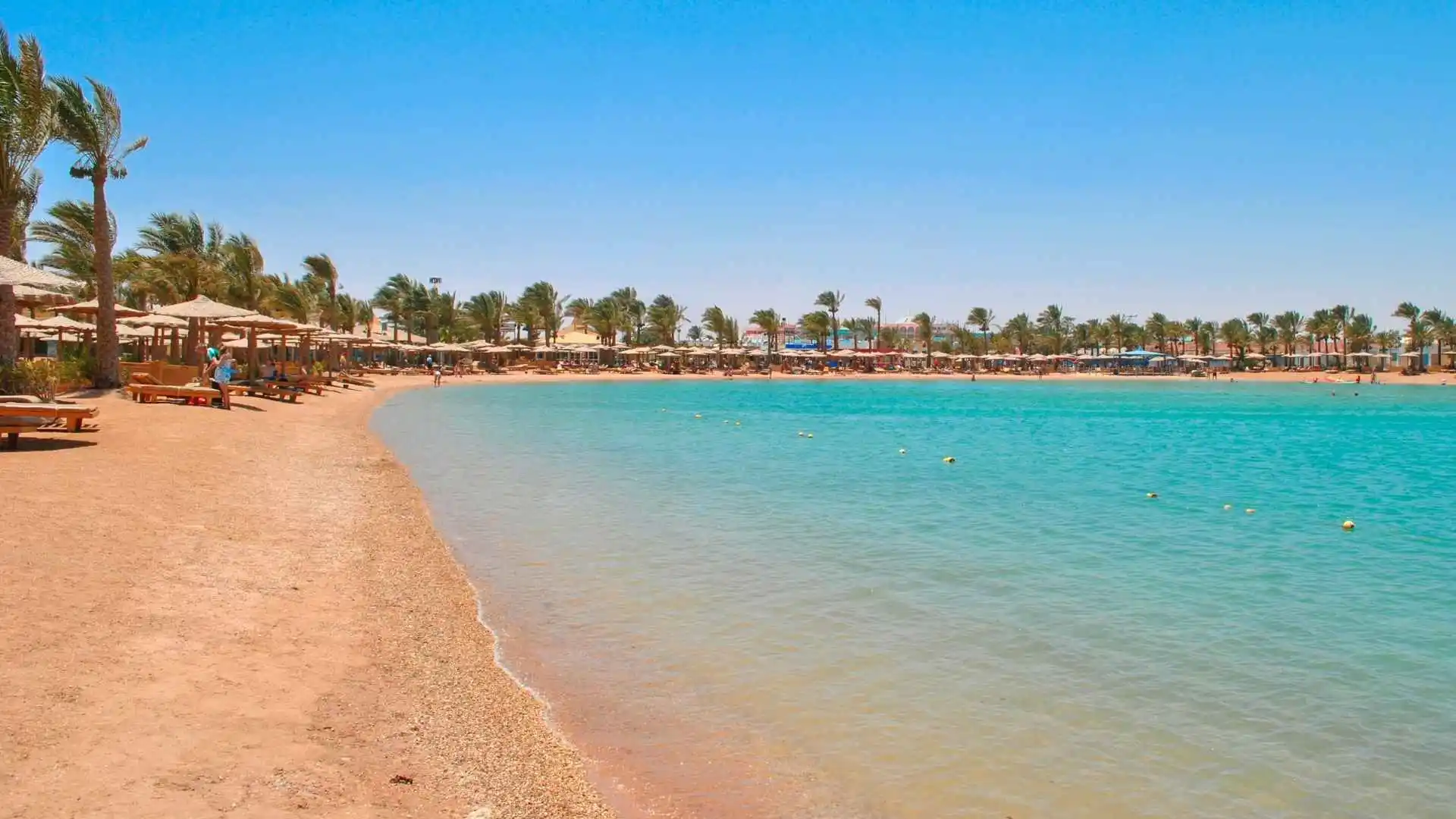
When you are done with exploring Egypt’s ancient cities and archeological sites, Hurghada gives you a change of pace with beaches and warm Red Sea waters. Once a small fishing village, it has now developed into one of the best coastal destinations in Egypt.
Here, you can try many activities centred around the sea, especially diving and snorkelling. Another popular way to experience the place is by taking boat rides to the nearby islands. It is also a perfect place, if you want to spend a few relaxed days.
Beyond the beaches, the surrounding desert also gives opportunities for quad biking, jeep excursions and visits to traditional Bedouin style settlements. This combination of sea with desert makes it another versatile Egypt tourist spot.
How to reach:
Hurghada is mostly served by Hurghada International Airport, while can also be reached by road from Cairo.
Highlights:
- Red Sea beaches
- Snorkelling and scuba diving
- Coral reefs and marine life
- Boat trips
- Desert safaris
- Quad biking
- Resort stays
Best time to visit: October – April
7. Sharm El Sheikh
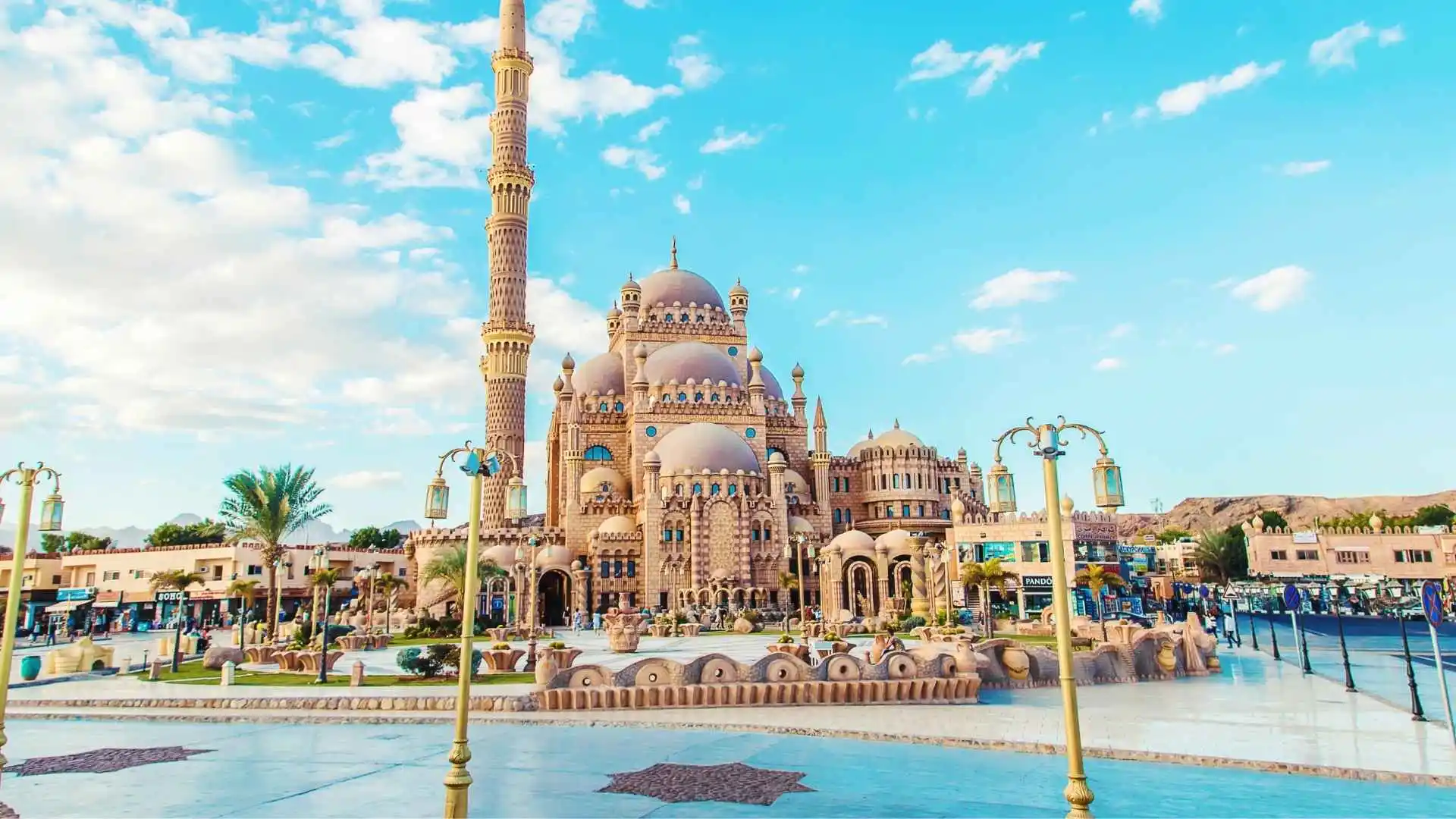
Sharm el Sheikh is one of Egypt’s most popular destinations for any beach holiday. The main attraction here is the Red Sea, where you can find clear waters and coral reefs that are just too good for snorkelling and diving. The destination is also known for its large resorts, making it easy to combine relaxation with organised water activities.
Unlike Cairo or Luxor, Sharm El Sheikh is less about old monuments, it is more about experiencing the natural side of Egypt. The Ras Mohammed National Park located just close to it is especially popular for its marine environment, while boat trips are another way to explore the coastline.
If you are travelling as a couple, or you want to explore the beaches of Egypt, Sharm El Sheikh can be a good addition to Egypt itinerary.
How to reach: The most convenient way is through Sharm El Sheikh international airport that has flights connecting to Cairo and other international cities.
Highlights:
- Red Sea coral reefs
- Snorkelling
- Scuba diving
- Ras Mohammed National Park
- Boat excursions
- Resort beaches
- Desert and mountain excursions
- Naama Bay
Best time to visit: October – April
8. Dahab
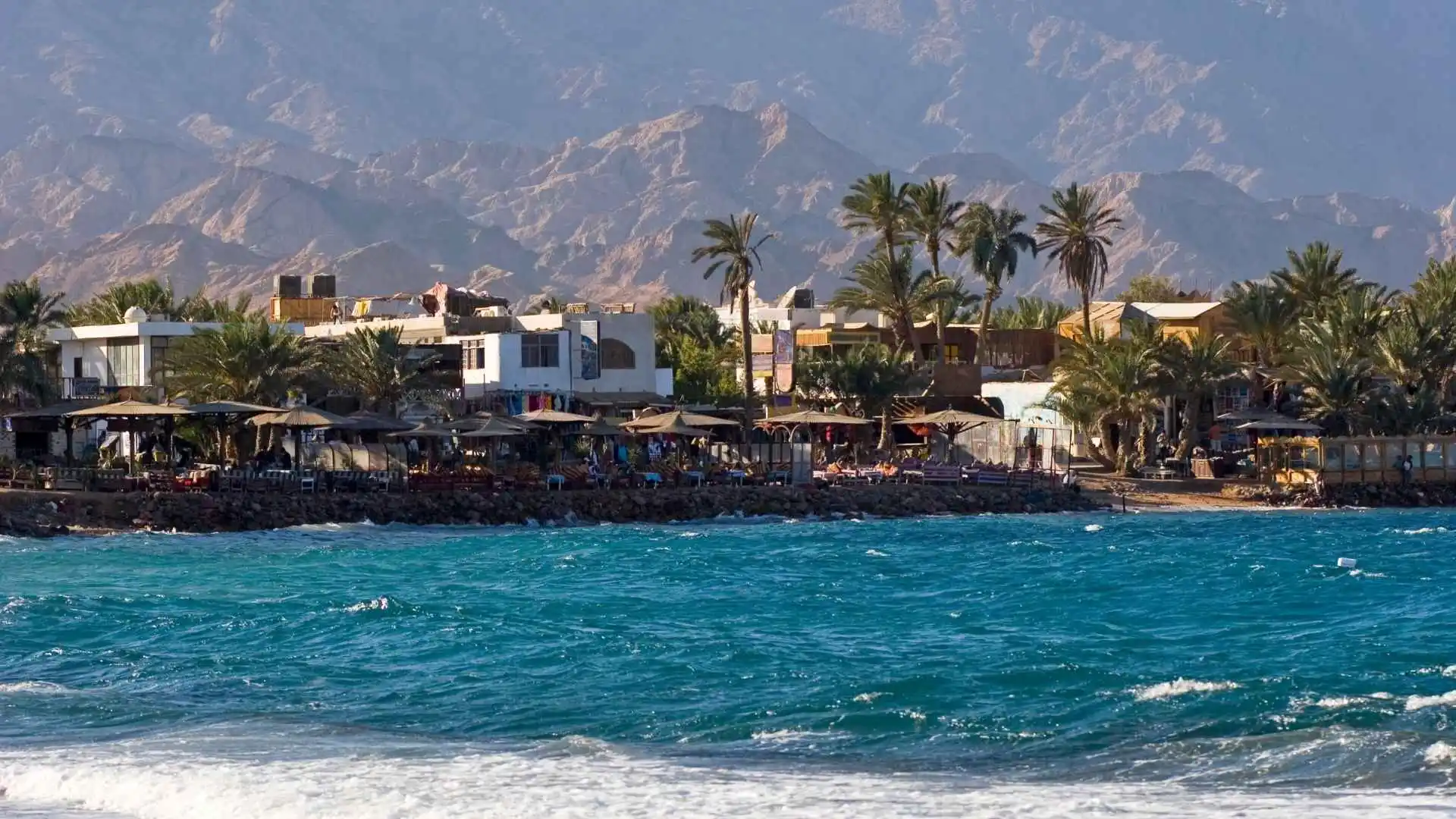
Dahab is known for a more laid - back character than the larger resort areas of Sharm El Sheikh. This town is particularly popular for diving, windsurfing and outdoor experiences, with Red Sea and desert landscapes.
Dahab’s biggest draw is its underwater environment. The Blue Hole, one of the area’s best known dive sites, attracts experienced divers, while snorkelling spots along the coast make the region accessible to visitors who prefer to stay closer to the surface. It is also known for its relaxed waterfront cafes and informal atmosphere.
For adventure travellers, Dahab has a combination of sea and desert. Days can be spent in the water, followed by excursions into the surrounding mountains or evening by the coast.
How to reach: The best way is by road from Sharm El Sheikh, which is around an hour away.
Highlights:
- Blue Hole
- Diving and snorkelling
- Windsurfing
- Eel Garden
- Blue Lagoon
- Desert excursions
- Sinai mountain landscapes
- Relaxed waterfront atmosphere
Best time to visit: Spring and Autumn
9. Siwa Oasis
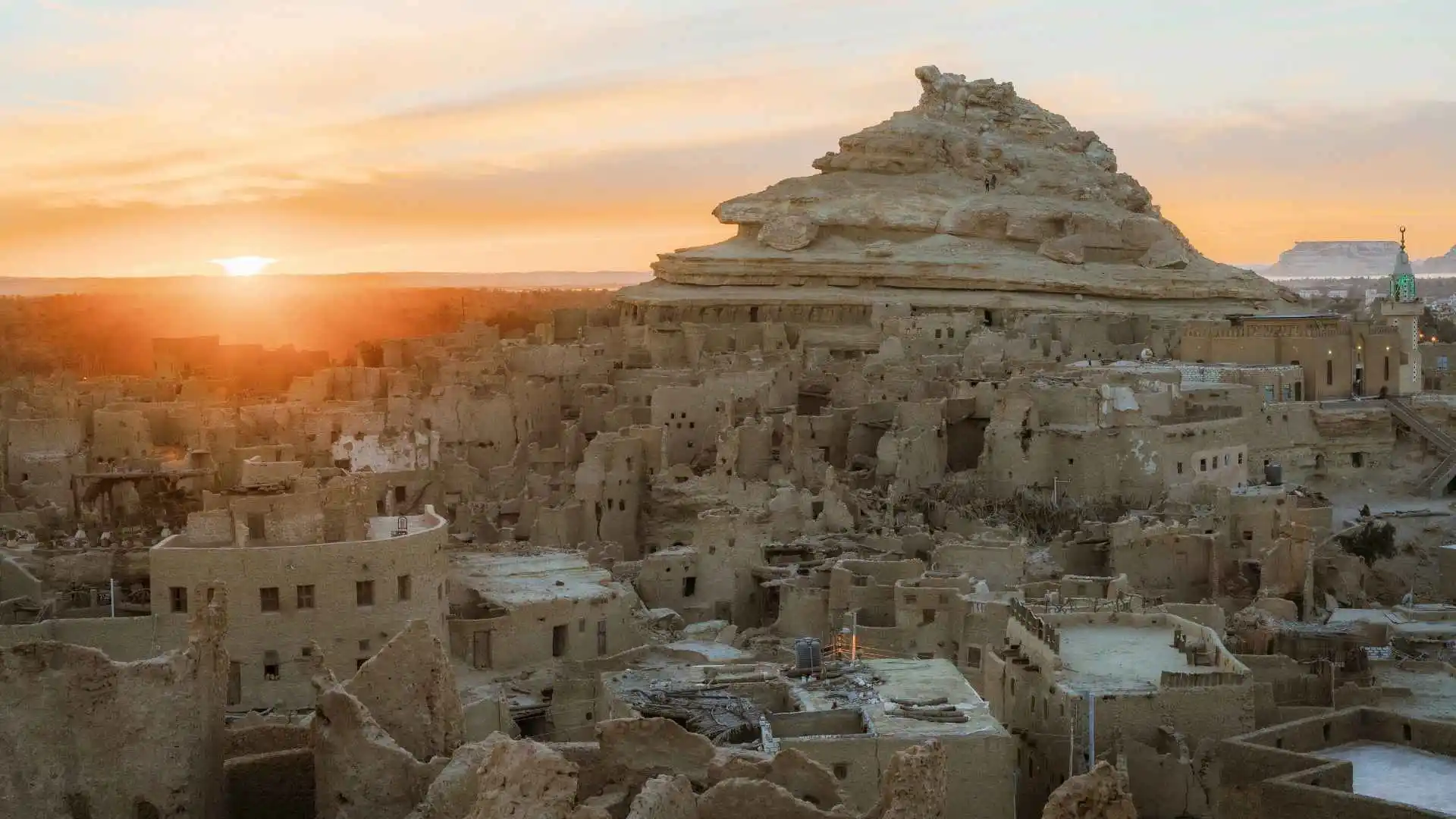
Far from the bustling streets of Cairo and the major archeological sites of the Nile Valley, Siwa Oasis has a much quieter and distinct side of Egypt. Located in the Western Desert close to the Libyan border, the oasis is all surrounded by palm groves, salt lakes, natural springs and desert landscapes.
Siwa is known not only for its scenery but also for its distinctive local culture and traditional architecture. The old settlement of Shali is built largely from kershef which is a mix of salt, mud and clay. You can also experience the oasis’s natural springs and salt lakes or head into the surrounding desert for a sunset excursion.
If you also are looking beyond the usually visited monuments, Siwa is among the more unusual places to see in Egypt.
How to reach: Siwa is a remote destination which can be reached by road from Cairo.
Highlights:
- Shali Fortress
- Siwa Oasis
- Salt lakes
- Cleopatra`s Spring
- Desert landscapes
- Palm groves
- Traditional Siwan culture
- Desert sunset excursions
Best time to visit: October – April
10. Fayoum
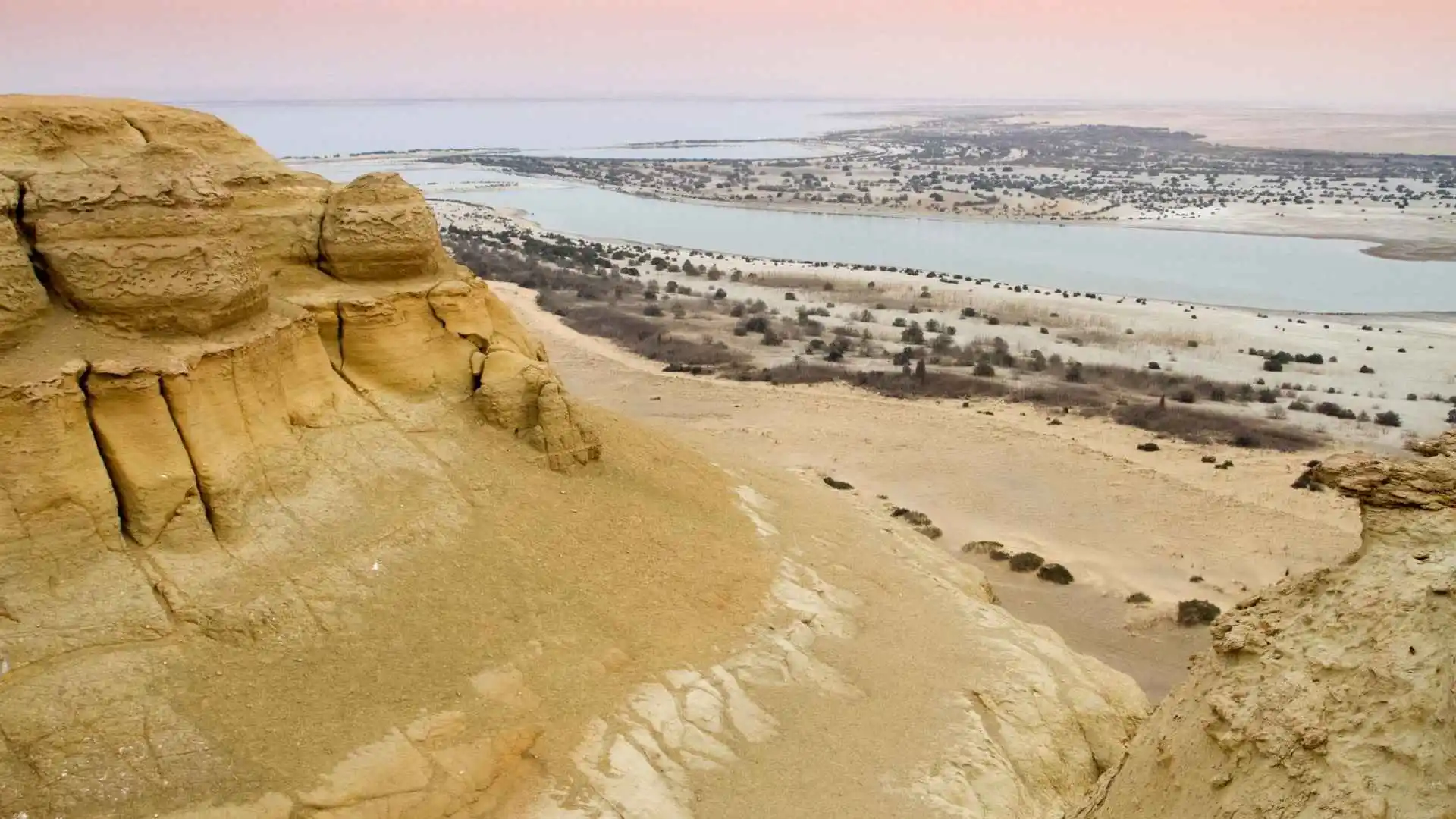
Located around 100 km southwest of Cairo, Fayoum is among one of Egypt’s most interesting destinations. This place has desert scenery, lakes, waterfalls and archeological sites too.
Fayoum’s most distinctive attraction is Wadi El Hitan, or the Valley of the Whales, a UNESCO World Heritage Site where fossilised remains of ancient whales have been found. The site has evidence of how whales evolved from land-dwelling mammals into marine animals.
The wider Fayoum region is also known for Lake Qarun, Wadi El Rayan and its desert landscapes. You can explore the area through desert safari or sandboarding or any other outdoor activities.
How to reach: Can be reached by road from Cairo and commonly visited as a day trip or short excursion.
Highlights:
- Wadi El Hitan (Valley of the Whales)
- Wadi El Rayan
- Lake Qarun
- Desert landscapes
- Waterfalls
- Sandboarding and desert activities
- Archaeological sites
- Traditional villages and local scenery
Best time to visit: October – April
Best Egypt Tourist Spot for Different Type of Travellers
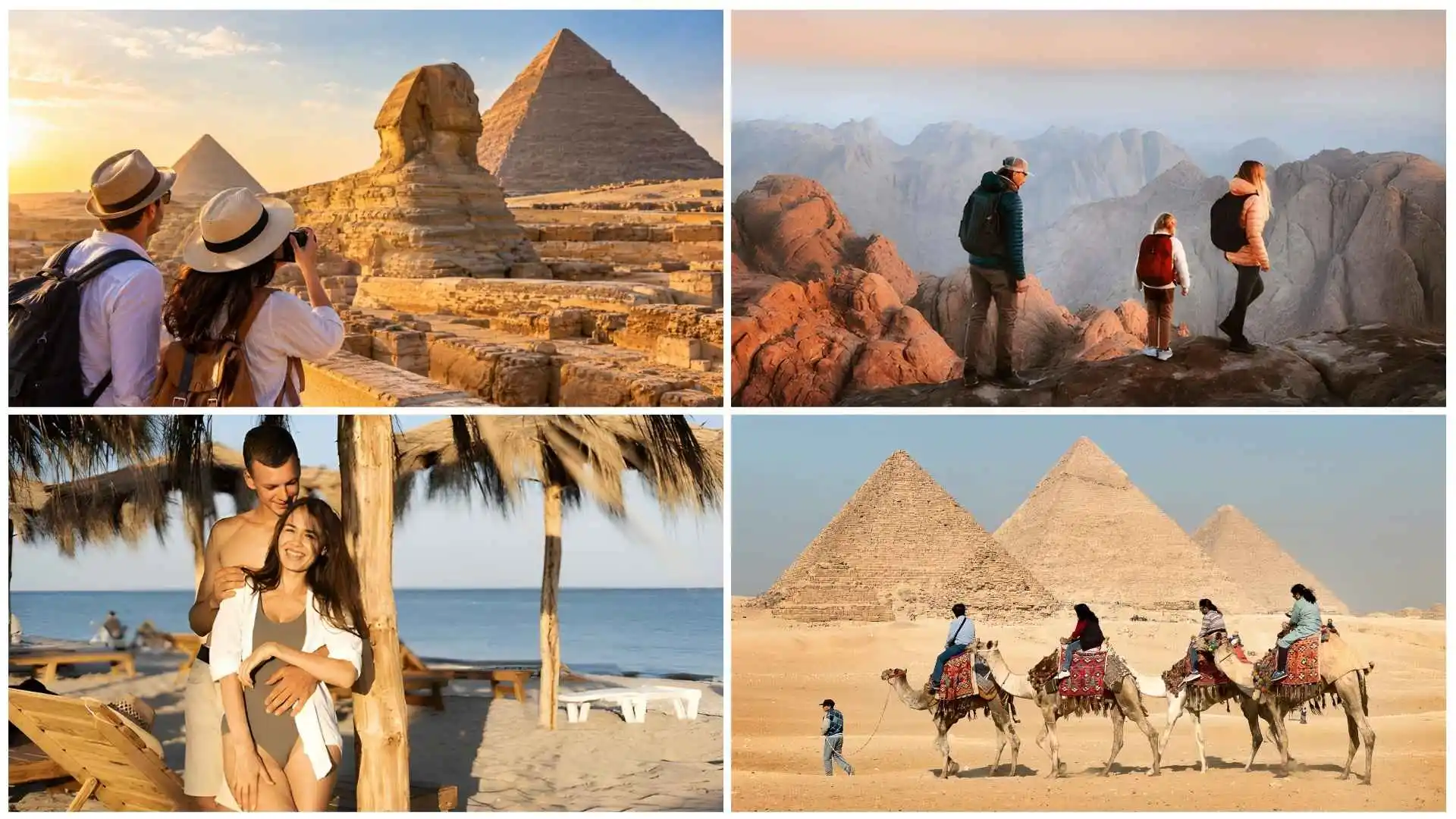
Egypt has very different travel experiences, so it is good to know what you want from the trip. The pyramids and temples are good for people who like history, while the Red Sea and nearby areas are good for beach holidays.
For travellers interested in building a route around specific interests, things to do in Egypt can help in determining which destinations deserve more time.
|
Traveller Type |
Best Destinations |
Why |
|
First-time visitors |
Pyramids of Giza, Luxor, Cairo |
Almost covers all important places |
|
History lovers |
Pyramids of Giza, Luxor, Abu Simbel |
Ancient monuments, temples and archeological sites |
|
Couples |
Aswan, Hurghada, Sharm El Sheikh |
Nile views, relaxed stays, beaches |
|
Families |
Pyramids of Giza, Hurghada, Alexandria |
Sightseeing with leisure and family friendly experiences |
|
Beach lovers |
Hurghada, Sharm El Sheikh |
Beaches, resorts, snorkelling, diving |
|
Adventure travellers |
Dahab, Fayoum |
Diving, windsurfing, desert landscape and outdoor activities |
|
Culture enthusiasts |
Alexandria, Aswan, Siwa Oasis |
Local culture, heritage, architecture |
|
Offbeat travellers |
Siwa Oasis, Fayoum |
Desert, oasis landscape and experiences away from major tourist routes |
|
Nature lovers |
Fayoum, Dahab, Aswan |
Lakes, desert landscapes, marine life, Nile scenery |
|
Short-trip travellers |
Pyramids of Giza, Alexandria |
Can be combined with Cairo for a short holiday |
Best Time to Visit Egypt
The best time to visit Egypt is generally from October – April. During this period the temperatures are more comfortable for exploring archeological sites, cities and even the desert landscapes. This is particularly important for places like Giza, Luxor and Abu Simbel, where sightseeing requires a lot of time outdoors.
October – April
These months are generally the most comfortable ones for sightseeing. Days are milder although evenings can feel cool, especially in desert areas. December to February is a popular period for visiting, so many attractions can be busier.
May – September
This is the summer period that comes with significantly higher temperatures, especially in southern destinations like Luxor and Aswan. If you are travelling during this period, your outdoor visits will be limited to early mornings or late in the afternoon.
For a trip that combines Egypt attractions, historical sites and Red Sea beaches, the cooler months have the most comfortable overall experience. Despite all this, your ideal travel period also depends on your route, budget and tolerance of extreme weather.
Sample 7 Day Itinerary for Egypt
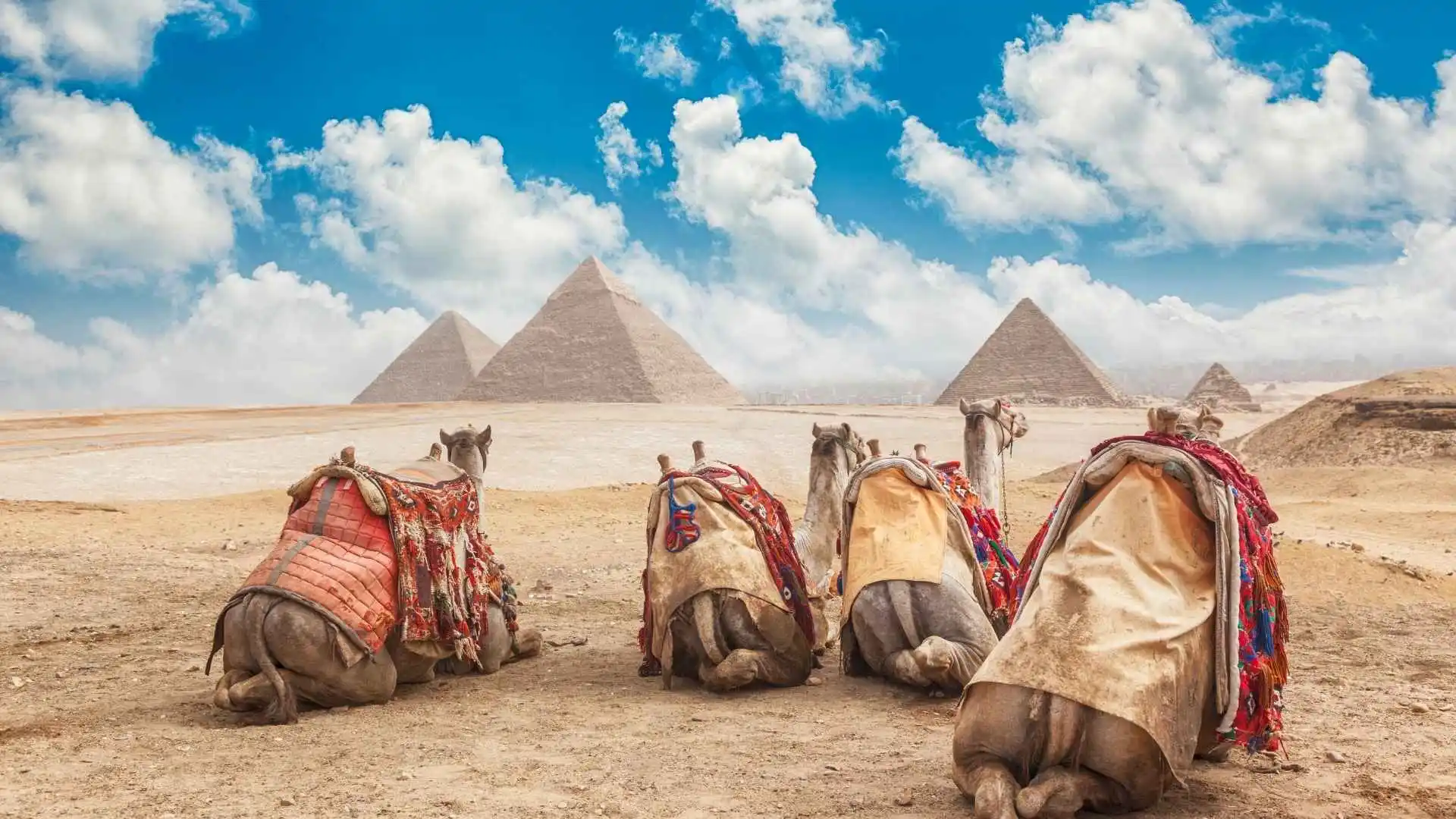
Seven days in Egypt are enough to experience several of Egypt’s major highlights without trying to cover the entire country. Here is a sample Egypt itinerary you can consider:
|
Day |
Destination |
Suggested Plan |
|
Day 1 |
Cairo |
Arrive in Cairo, check in and spend the evening exploring the city at an easy pace |
|
Day 2 |
Pyramids of Giza |
Explore Pyramids of Giza and Great Sphinx. Spend the rest of the day exploring museums or historic areas |
|
Day 3 |
Cairo – Luxor |
Travel to Luxor. After check- in, visit Luxor temple in the evening. |
|
Day 4 |
Luxor |
Visit Karnak temple, valley of the kings, temple of Hatshepsut and Colossi of Memnon |
|
Day 5 |
Luxor – Aswan |
Travel towards Aswan by taking a train or Nile cruise. Spend the evening by the Nile or explore the city. |
|
Day 6 |
Aswan |
Visit Philae temple, unfinished Obelisk and Nubian village |
|
Day 7 |
Aswan – onward journey |
Before leaving, you can consider visiting Abu Simbel. |
Before you book consider comparing Egypt tour packages based on inclusions like domestic flights, transfers, sightseeing, accommodations and Nile cruises. This can also make it easy for you to estimate your overall Egypt trip cost.
Travel Tips for Visiting Egypt
A little planning can make an Egypt trip considerably more comfortable for you, because many of the country’s major attractions need walking outdoors and travelling between destinations.
- Begin your sightseeing early to avoid the strong afternoon heat.
- You must carry sunscreen, sunglasses, a hat and enough drinking water with you.
- Wear comfortable footwear as many attractions require long walking or even walking on sandy and uneven surfaces.
- When you are visiting mosques and religious sites, dress modestly.
- Keep some Egyptian pounds with you for making small purchases.
- Keep a printed copy of important travel documents.
- Consider checking the latest advisories before travelling to remote or restricted areas.
- Keep some flexibility in your schedule instead of trying to cover many destinations in a single trip.
Ready to experience Egypt?
Egypt has much more than its famous pyramids. From ancient temples of Luxor and Aswan to the Mediterranean character of Alexandria and the Red Sea shores of Hurghada and Sharm El Sheikh, the country has history, culture, nature, adventure and so much more within a single destination.
The best places to visit in Egypt ultimately depend on the kind of holiday you want, but if you are visiting for the first time, you can limit your focus to Cairo, Giza, Luxor and Aswan, while if you have planned a much longer trip, you can also include Abu Simbel, a Red Sea resort or lesser explored destinations such as Siwa Oasis and Fyoum.
With the route, season and travel style decided in advance, it becomes easier to choose the right Egypt tour packages, accommodation and experiences for the trip.
Frequently Asked Questions
What are the best places to visit in Egypt?
The best places to visit in Egypt are Pyramids of Giza, Luxor, Aswan, Abu Simber, Alexandria and the Red Sea destinations.
What is Egypt famous for?
Egypt is famous for the Pyramids of Giza, the Great Sphinx, ancient temples, royal tombs and the Nile River. It is also known for its Red Sea beaches, coral reefs, desert landscapes and historic cities like Cairo and Alexandria.
Which place should first time visitors explore in Egypt?
First - time visitors can begin with the Pyramids of Giza and Cairo, followed by Luxor and Aswan. This route covers some of the country’s most significant historical sites and gives travellers the opportunity to experience the Nile.
Is Egypt safe for tourists?
Egypt is a major international tourist destination, but travellers should take normal precautions and follow current travel advisories.