
Top 10 Tourist Places in West India Worth Your Time!

If someone asked you to describe West India in one word, what would it be? Contrasting? Emotional? Surprisingly diverse? Because that is the thing about this region, it does not fit neatly into one mood or one kind of traveller.
West India is where you can wake up to cool hill air one day, feel the rush of a city that never pauses the next, and then find yourself staring at endless desert silence or calm blue seas. These tourist places in West India are not really about rushing from one attraction to another. They are about choosing places that match how you feel right now. So instead of telling you what is “popular,” let me tell you why you might want to choose each of these destinations and what kind of experience you can get there.
1. Mahabaleshwar, Maharashtra
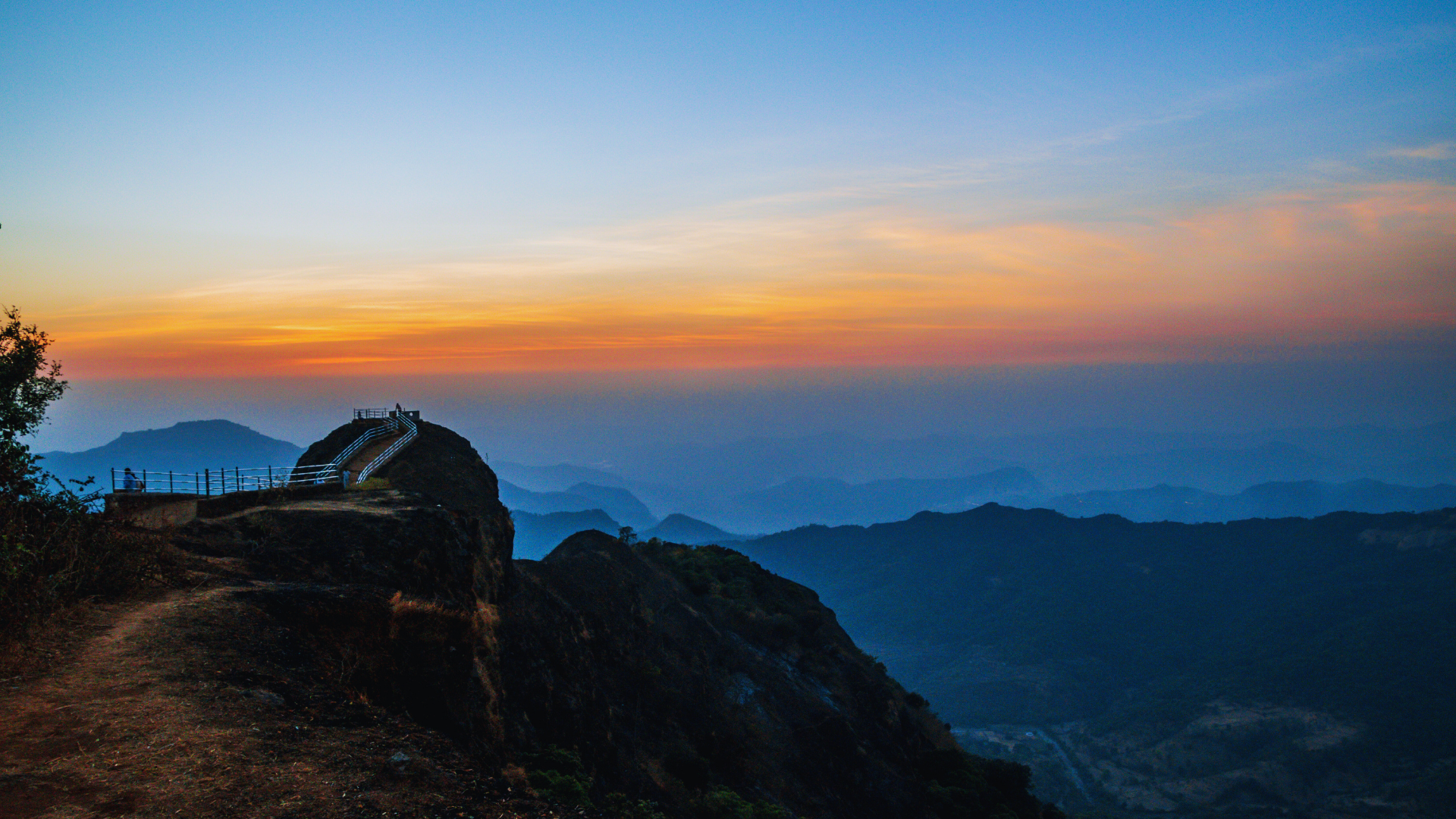
Choose Mahabaleshwar if what you really want is a pause. This is a kind of place where your mornings feel slow and the evenings are softer. Mist rolls in without any warning, viewpoints open up to deep green valleys, and even a cup of tea feels special when you have it with the chilly breeze. Mahabaleshwar is the perfect place to enjoy quiet walks, strawberry farms, and scenic views without crowds shouting for attention.
Two to three days are ideal to explore Mahabaleshwar, especially between October and March. Panchgani sits close by, so you can easily add another viewpoint-filled day. It’s also a lovely choice if you are browsing resorts in India that focus more on peace than parties.
2. Mumbai, Maharashtra
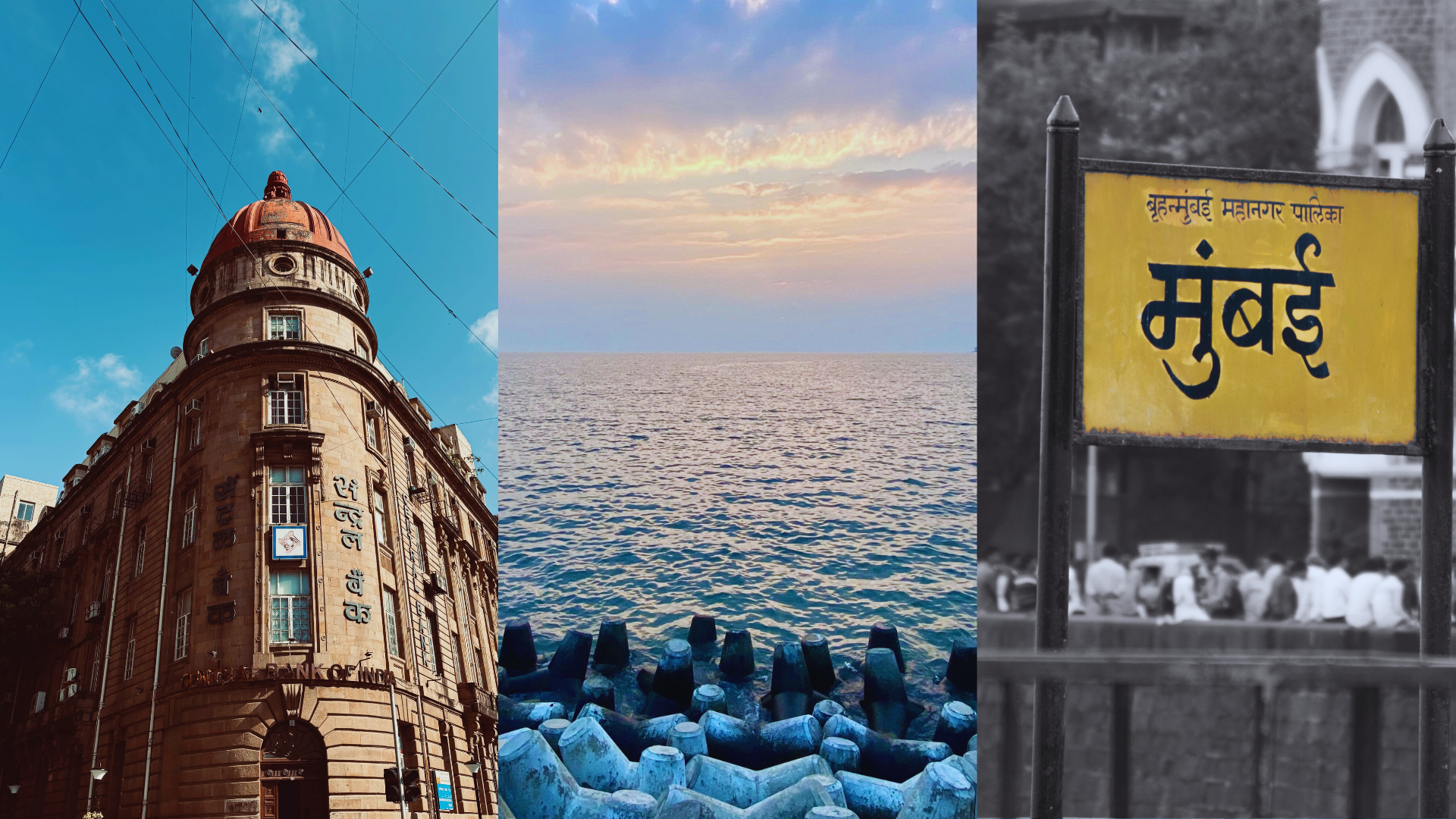
Visit Mumbai if you want to experience a city that feels alive, constantly. Mumbai is one of those destinations that you can just keep exploring and never get tired of. One minute you pass across colonial buildings, and the next moment you are stuck in traffic listening to stories from strangers who somehow feel familiar. People often say Mumbai competes with global cities like Dubai, and while the skylines may differ, the ambition here is unmatched.
Three to four days let you explore iconic spots like Marine Drive, Gateway of India, and Bandra, while still leaving room for cafés, street food, and late-night conversations. As one of the most dynamic places to visit in West India, Mumbai suits travellers who enjoy chaos, culture, contrast and Bollywood, all at once.
3. Mount Abu, Rajasthan
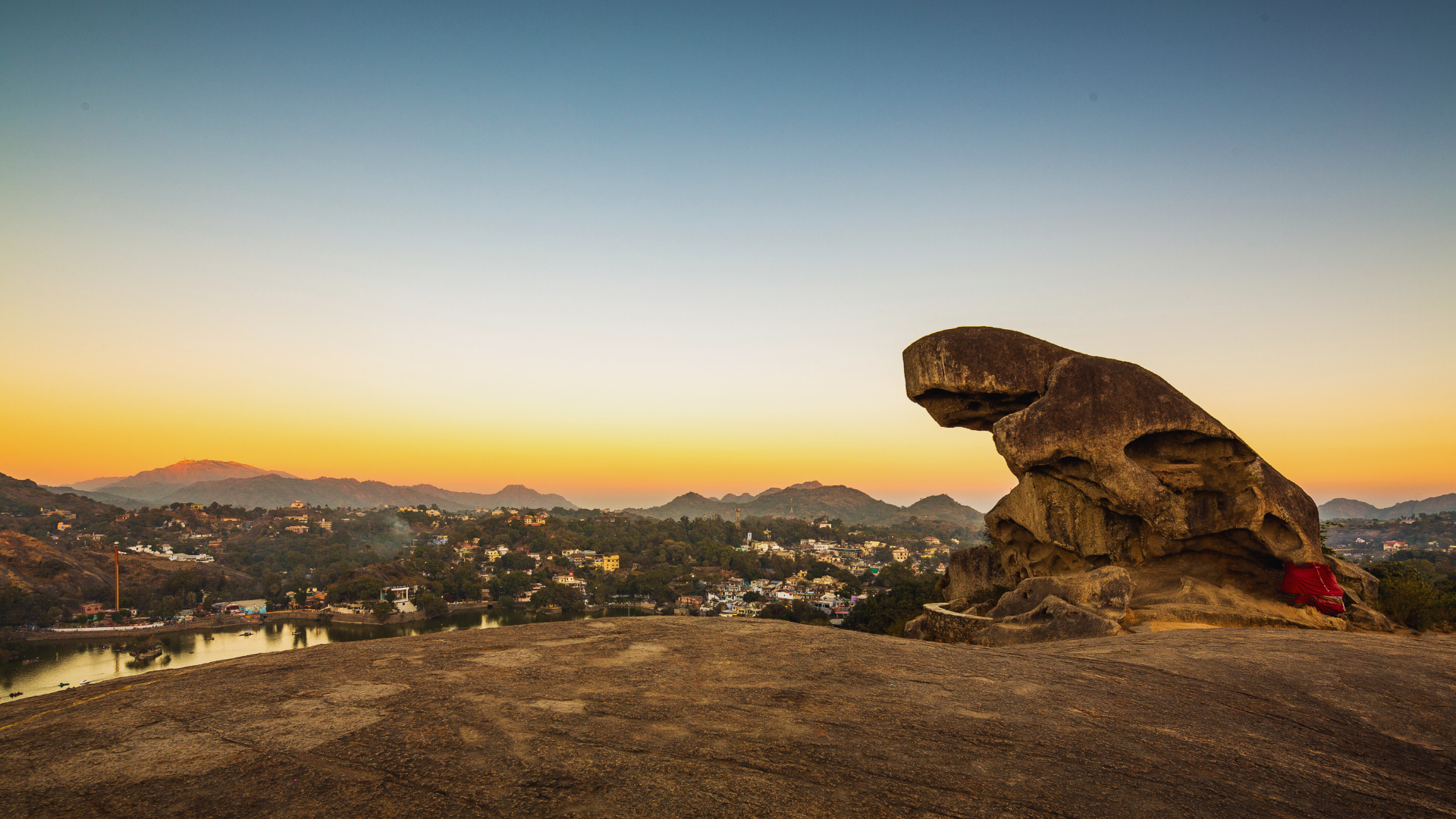
Mount Abu is your place to be if Rajasthan’s heat or crowds make you hesitant, but you still want its soul.
This hill town feels almost unexpected. Cool weather, forest roads, and quiet lakes replace the usual desert imagery. The Dilwara Temples alone are worth the journey, the craftsmanship is so detailed that people instinctively lower their voices when they step inside. Evenings by Nakki Lake are calm, almost meditative.
Two days work well, especially between October and March. Udaipur is the nearest major city, making Mount Abu an easy detour. If you are looking for gentle romance or peaceful reflection, this quietly stands among the most soothing tourist places in West India.
4. Jaipur, Rajasthan
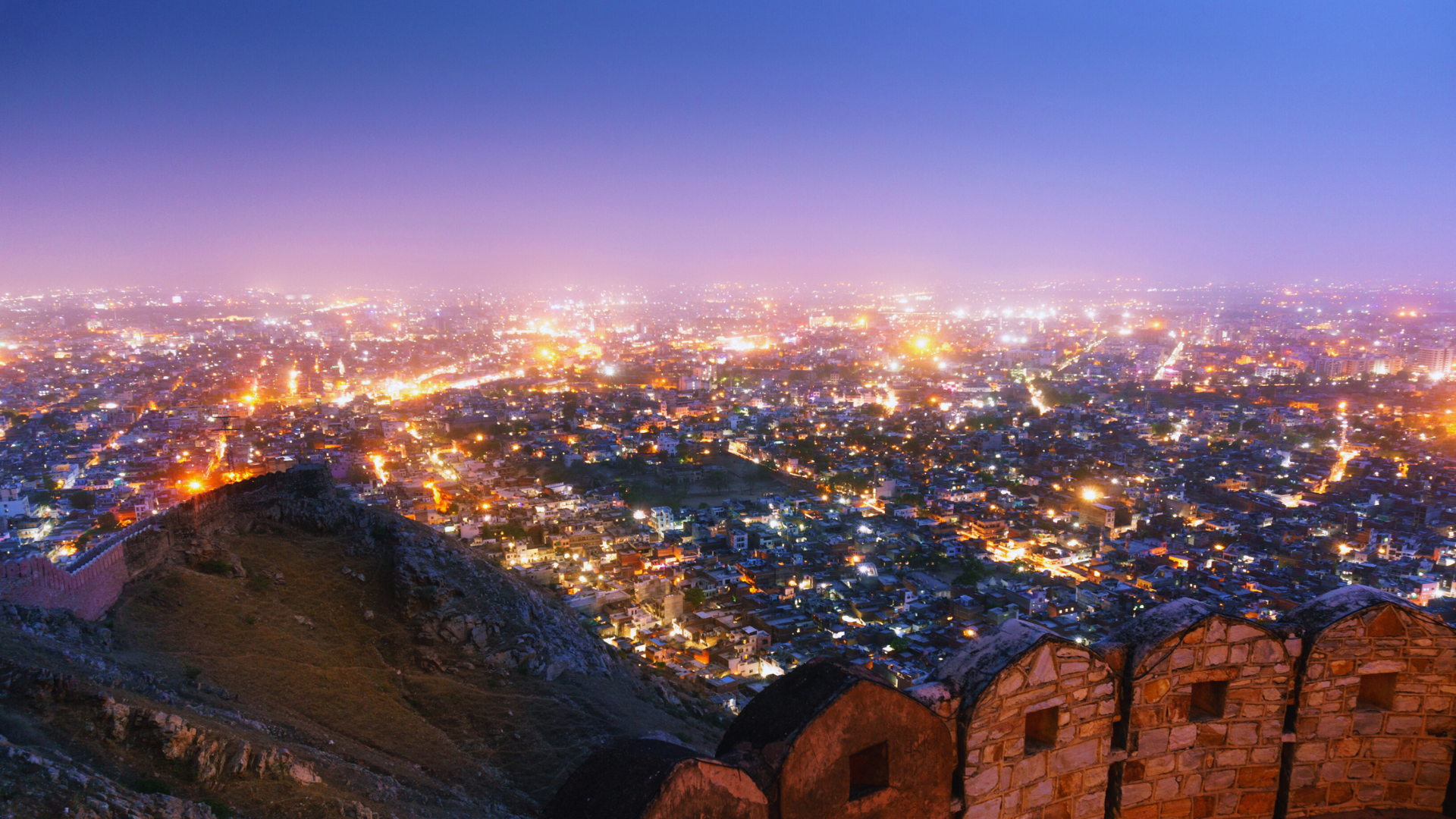
Choose Jaipur if history fascinates you and with that you also want the colour, energy, and life of Western India.
Jaipur does not hide its heritage behind museum ropes. The forts are massive, the palaces still breathe royal legacy, and the markets feel as alive today as they must have centuries ago. Amber Fort’s views, Hawa Mahal’s geometry, and City Palace’s elegance create a rhythm that keeps you curious.
Three days give you enough time to explore without rushing, ideally between October and March. Jaipur also works well as a base for short trips to Pushkar or Ajmer. Among the heritage sites in West India, Jaipur feels both grand and easy to approach.
5. Jaisalmer, Rajasthan
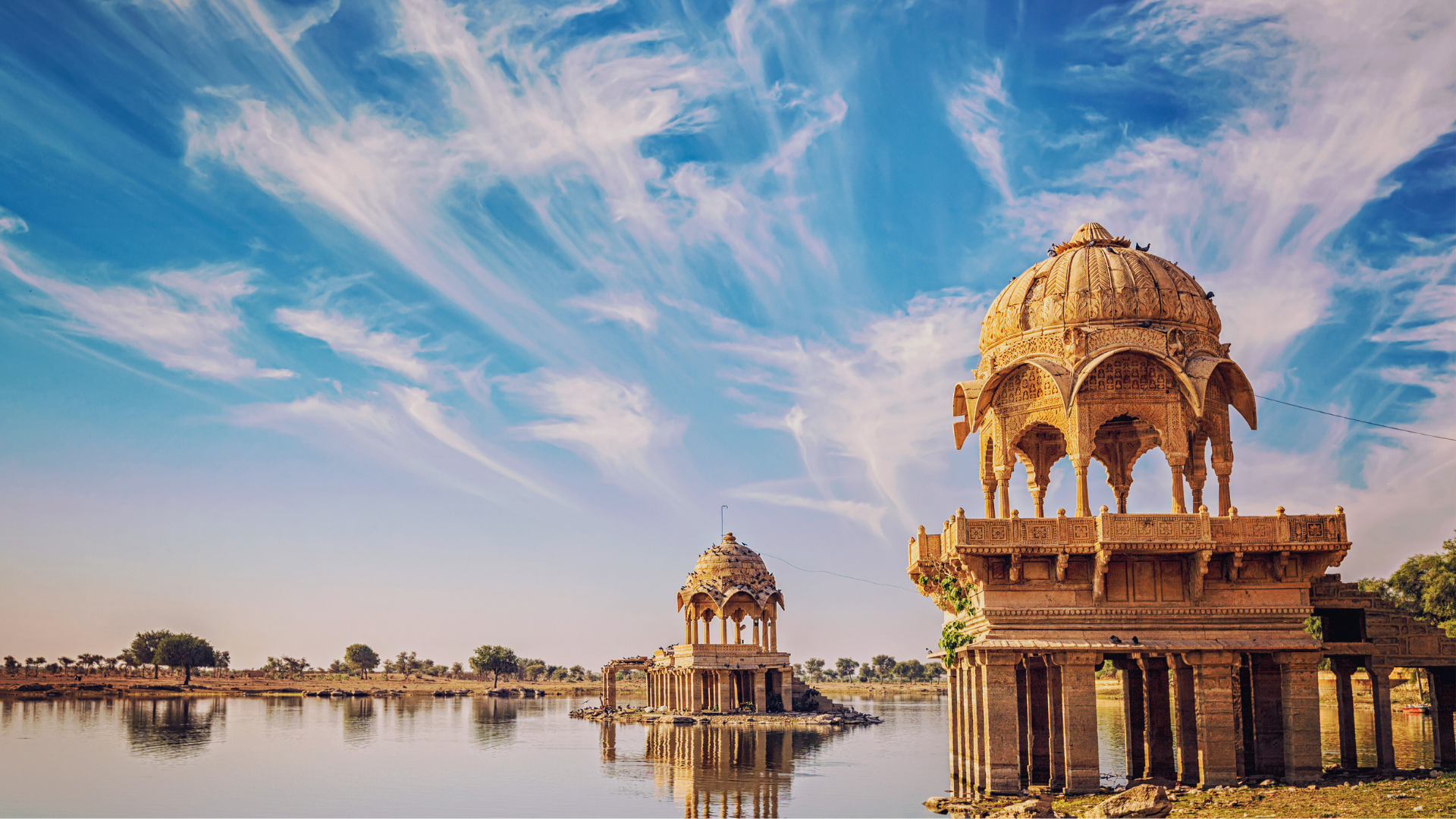
Go to Jaisalmer if you want to experience silence in a way that feels powerful and not empty. This golden city rises straight out of the desert, and as the sun sets, everything around you turns warm and unreal. Jaisalmer Fort along with being a monument is alive with homes, cafes, and stories. Outside the city, the Thar Desert offers camel rides, dune sunsets, and nights where the sky does most of the talking.
November to February is the best time, and two to three days are perfect. As one of the most atmospheric historical places in West India, Jaisalmer stays with you long after you leave.
6. Rann of Kutch, Gujarat
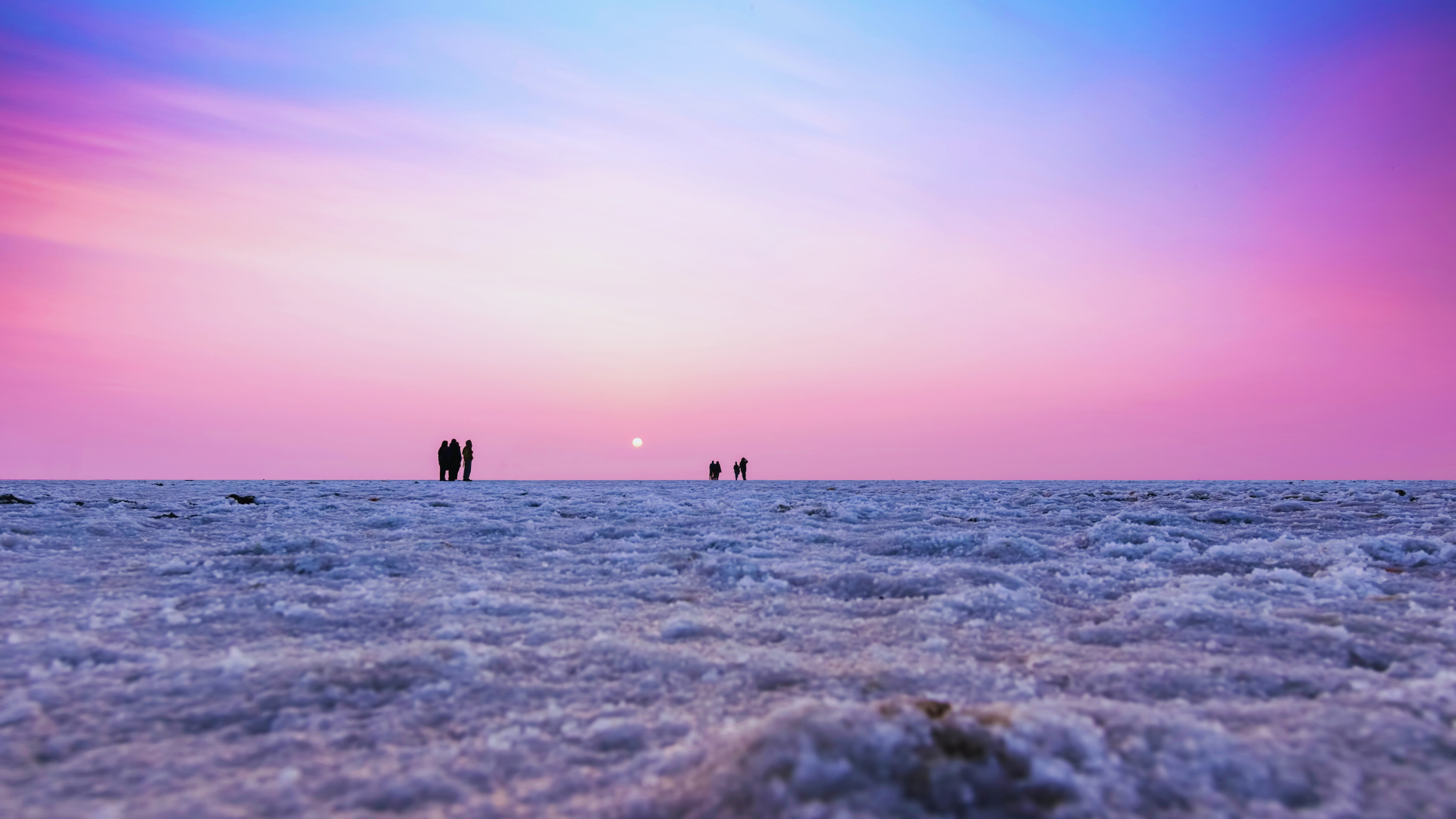
Choose the Rann of Kutch if you want to witness a sight that you have never seen before.
An endless white salt desert stretching to the horizon, it’s quiet, vast, and strangely emotional. During the Rann Utsav, music, crafts, and culture light up the region. Beyond the festival, small villages reveal traditions that feel deeply rooted and beautifully preserved.
You can plan your visit between November and February and stay for two days. Bhuj is the closest major city. Among West India sightseeing places, this one feels almost otherworldly.
7. Lonavla, Maharashtra
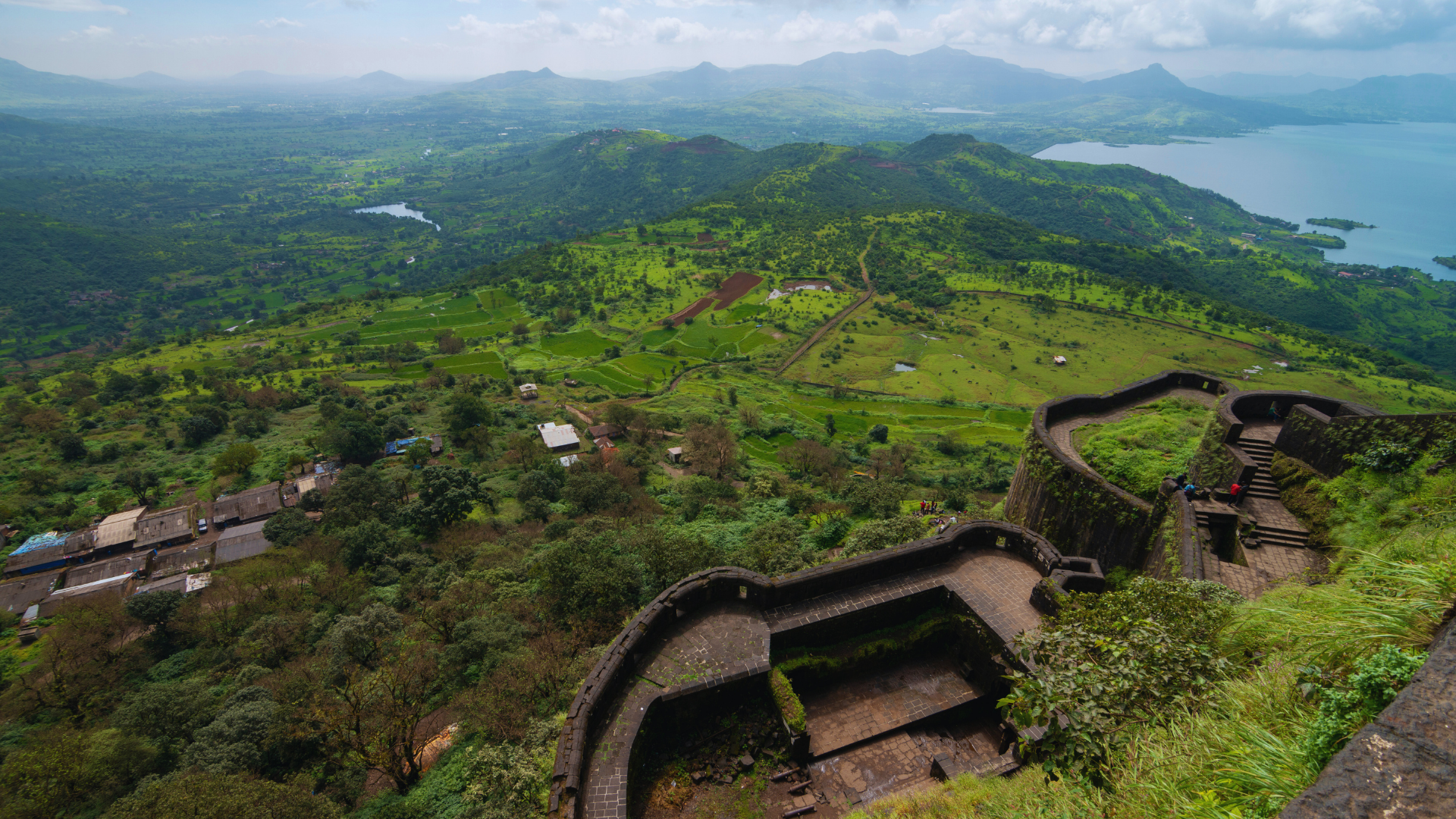
Lonavla is perfect if you need a quick escape without any complicated planning. Especially during the monsoon, everything here turns lush and dramatic. Waterfalls appear overnight, forts become trekking trails, and viewpoints like Lion’s Point feel cinematic. It is popular for a reason, but still rewarding if you time it right.
One or two days are enough to explore Lonavla. Best visited from July to September or during winter. For those interested in adventure tourism in West India without long travel, Lonavla fits easily.
8. Ajanta and Ellora Caves, Aurangabad
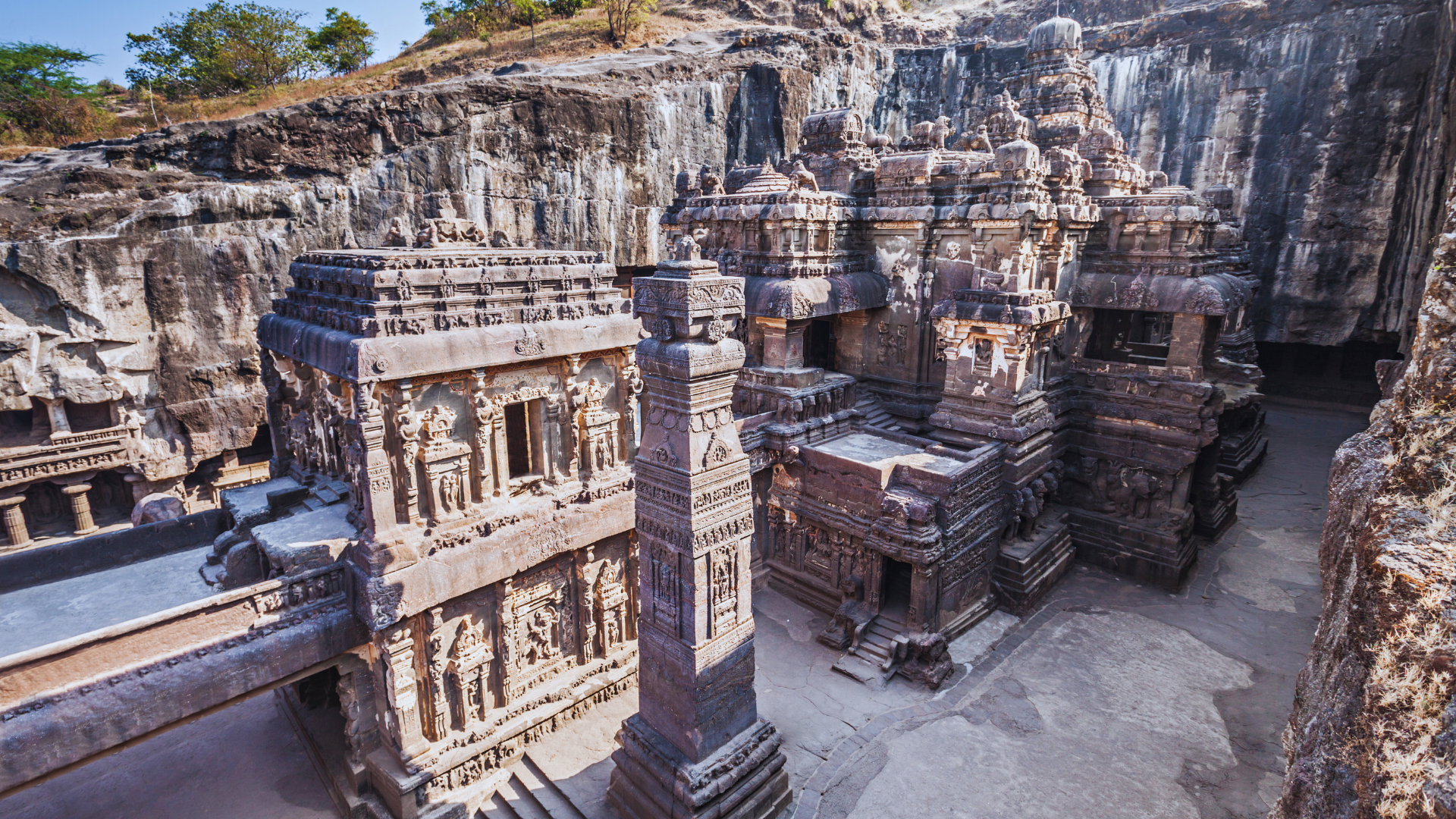
Visit Ajanta and Ellora if you appreciate patience, art, and human effort. These are the caves, which were not built quickly, they were carved over centuries. Ajanta’s murals tell stories through color detail, while Ellora’s Kailasa Temple feels almost impossible in scale. Standing here reminds you how much humans can create with dedication alone.
Two days are ideal, especially between October and March. Aurangabad serves as the base. These are among the most meaningful heritage sites in West India, especially if history moves you deeply.
9. Daman and Diu
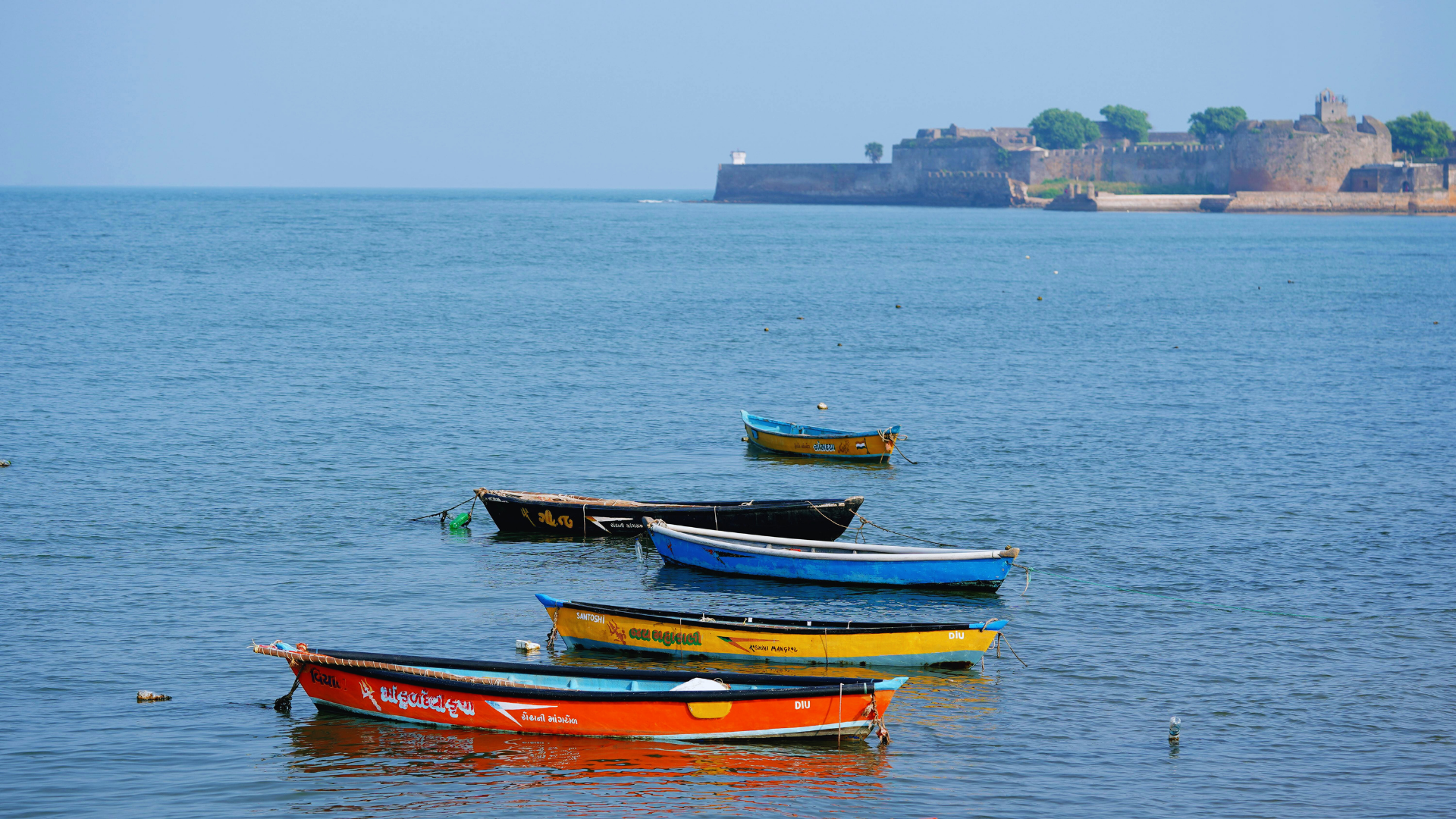
Choose Daman and Diu if you want beaches without the noise. This is an extremely beautiful coastal destination that feels relaxing. There is no rush to “do” anything here, and that is the appeal.
Usually two days are enough to explore Daman and Diu, but you can extend your trip and visit the Gir National Park too. October to February is the best time to be here. For couples seeking quieter romantic places in India, this coastal corner offers simplicity and space.
10. Khandala, Maharashtra
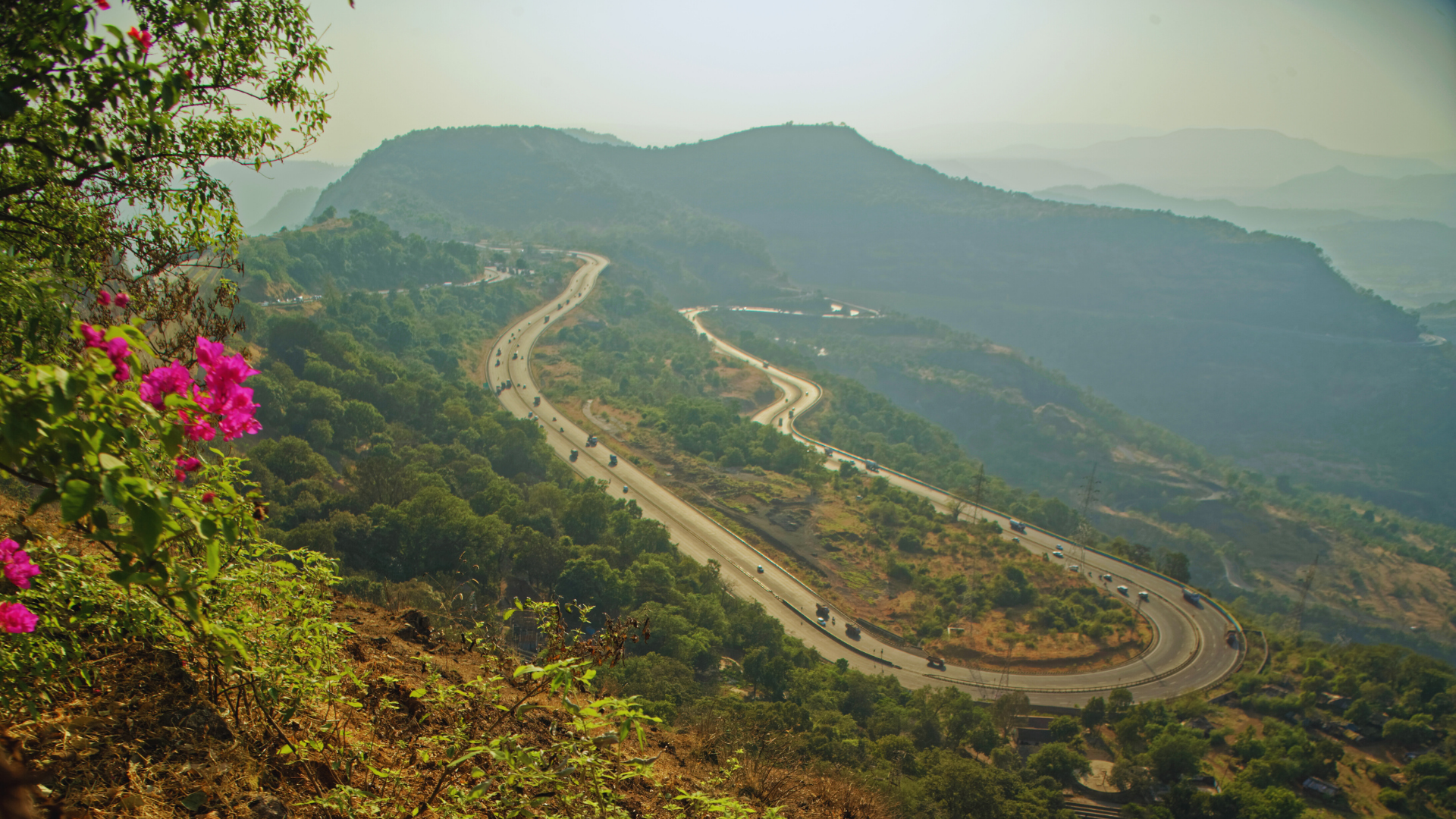
Khandala works well if you want scenery without putting in much effort. It is easily accessible from Mumbai and Pune both and known for its misty valleys, green slopes and peaceful drives. It pairs well with Lonavala but has a slightly calmer mood of its own. This is just perfect for short breaks when you don`t want to plan too much. Here, even if you spend just one night, it is amazingly refreshing.
The best season to be here is during Monsoon and winter.
Travel Tips Before You Plan
- West India’s diversity means weather changes quickly so it is suggested to pack layers.
- Festivals and winter months fill up fast, so booking hotels in India early helps.
- Try local food everywhere, it’s part of the culture.
- And if you enjoy road trips, West India rewards slow drives with unexpected views.
FAQs
Is West India suitable for first-time travellers?
Yes. The region offers excellent connectivity and a mix of experiences.
How many days should I plan?
Ten to twelve days allow a balanced trip.
Are these destinations family-friendly?
Most are, especially hill stations and cities like Jaipur and Mumbai.
Before You Decide Where to Go…
Choosing tourist places in West India is not about seeing everything, it is more about finding what matches your mood. Maybe you want hills, maybe history, maybe just space to think. West India lets you travel without forcing a single narrative, and most of the places are accessible from major countries and perfect for getaways.
For more inspiration, don’t forget to check our India Travel Guide and other curated places to visit in India. And once you start choosing places based on how you feel rather than what’s trending, travel begins to feel personal again.